Pennsylvania HVAC Cooling

Do you need a dehumidifier with AC in Pennsylvania

Step 1 of 3: Equipment

Do I need a dehumidifier if I already have AC in Pennsylvania?

Your AC cools the air and pulls some moisture out as it runs, but on a muggy July day in Pennsylvania you can still come home to air that feels damp even with the thermostat set right. That's a fair thing to wonder about. An AC and a dehumidifier do different jobs, and whether you need both depends on how your house feels once the temperature itself is no longer the problem.

Your AC helps, but it may not be enough on its own

An air conditioner removes humidity as a side effect of cooling, not as its main job. It only pulls moisture out while it's running, and on a mild but sticky day it may satisfy the thermostat and shut off before the air actually feels dry. Pennsylvania summers run humid for months at a time, and that's exactly the condition where a house can feel clammy even with the AC working fine. If your home holds that damp, sticky feel, or you notice moisture on windows or in the basement, a whole-home dehumidifier working alongside your AC keeps the air comfortable without you having to run the AC harder or colder than you need to.

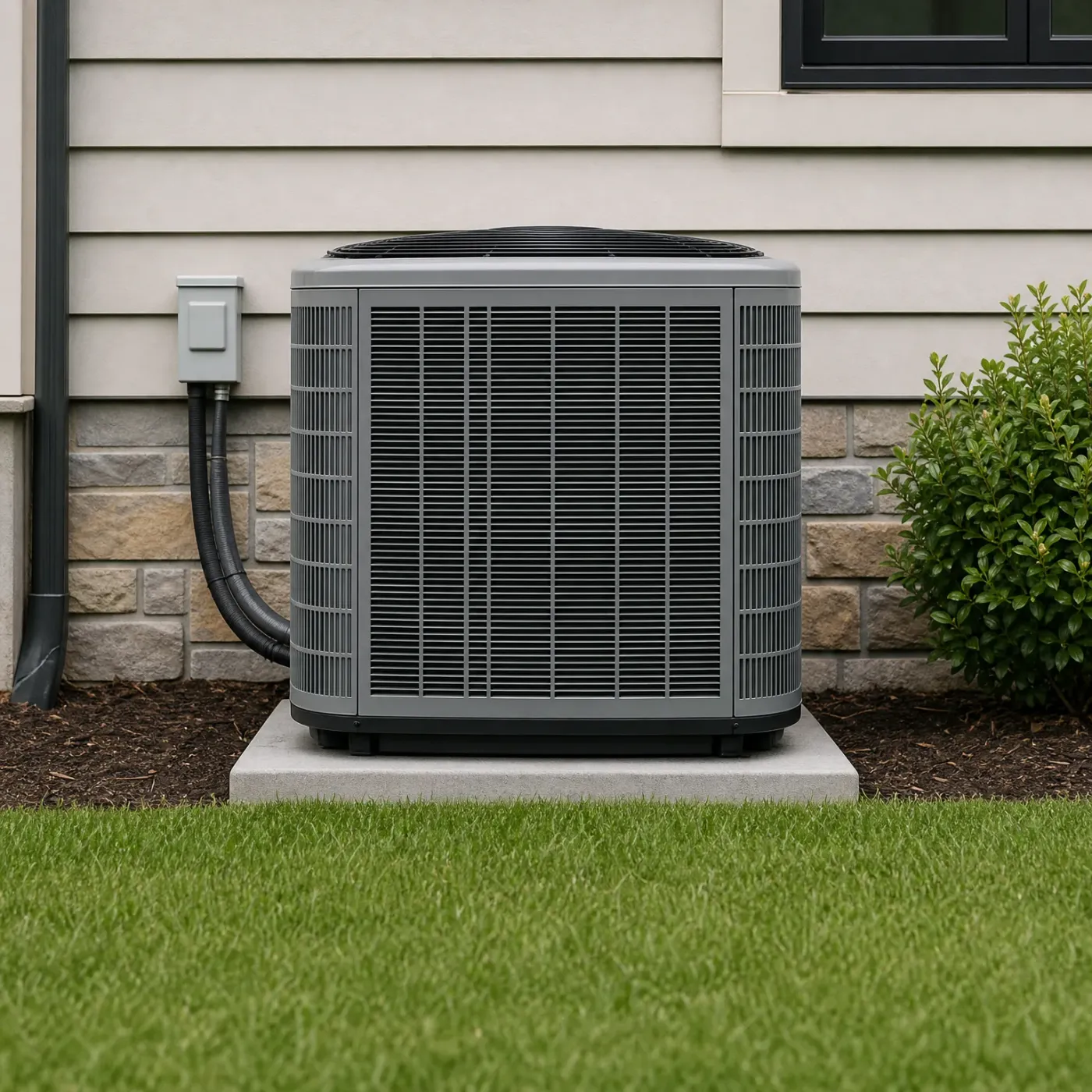
A gray outdoor air conditioning condenser unit on a concrete pad beside a house with horizontal lap siding and a stone veneer base, with a disconnect box and conduit on the wall, mulch bed and shrub to the right, and mowed grass in the foreground.

AC running as it should

When your air conditioner is sized right and keeps up with the house, it cycles long enough to pull moisture out along with the heat. Air coming out of the vents feels dry, not clammy. You set the thermostat and the humidity in the house stays down with it.
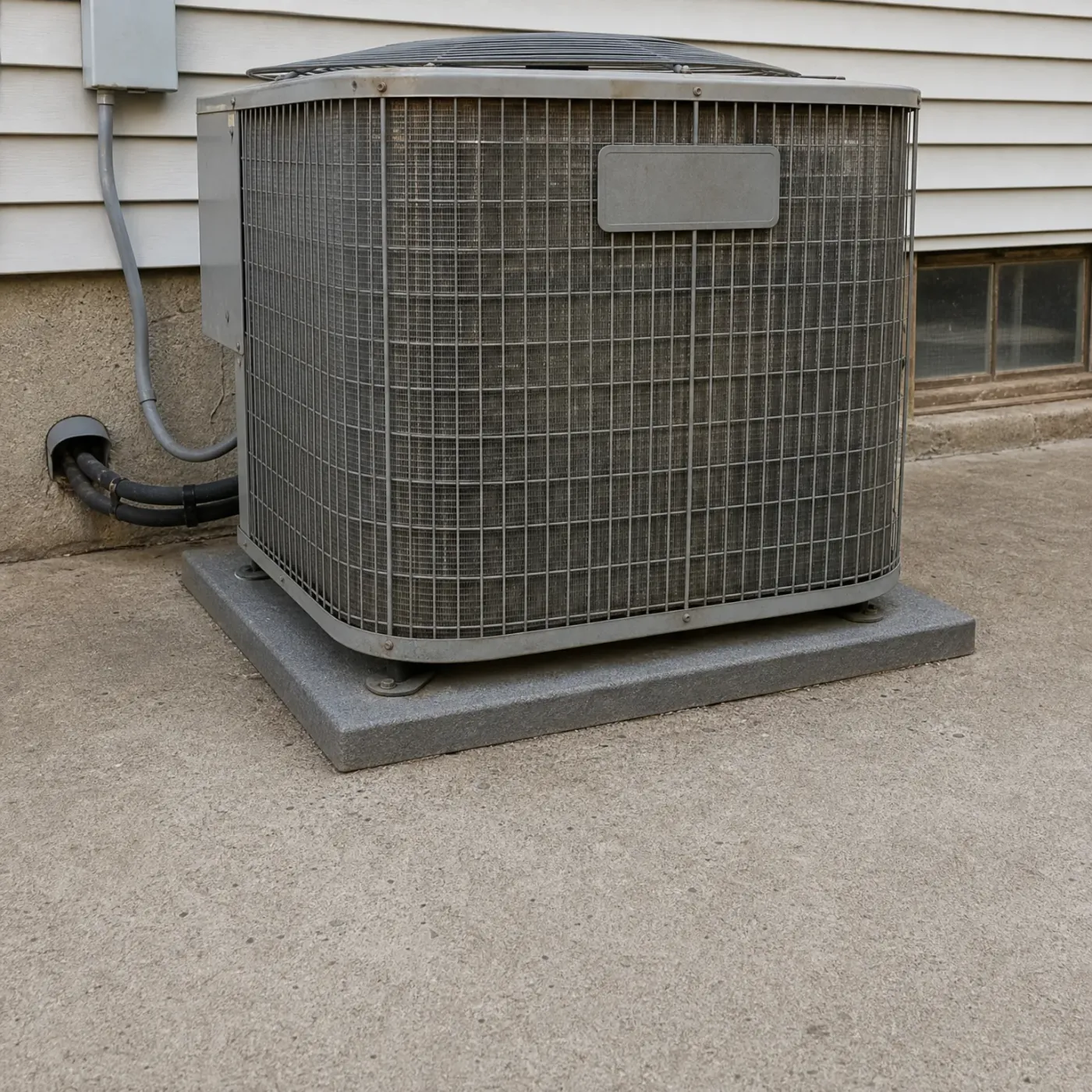

An outdoor air conditioner condenser unit on a gray composite pad beside a house with horizontal siding, a concrete foundation, a basement window, and a conduit and disconnect box on the wall.

AC alone isn't enough

A unit that short cycles, or a dusty coil working harder than it should, cools the room without running long enough to take the moisture out. You get a cold house that still feels damp, floors that feel sticky, windows that fog. That's the gap a dehumidifier fills.

A gray-haired man in a dark sweater sits on a light gray sofa in a living room, looking toward a sunlit window with trees outside.
A gray-haired man in a dark blue sweater sits on a light gray sofa in a sunlit living room, looking off to the side, with a potted plant, shelving unit, and large glass doors behind him.
A bearded man with graying hair in a dark green sweater sits on a sofa in a living room, looking off to the side, with a sliding glass door and a dim kitchen doorway behind him.
A gray-haired man in a dark knit sweater sits on a light gray sofa in a living room, looking toward a sunlit window, with houseplants, a lamp, and framed art in the background.

An air conditioner only pulls moisture out of the air while it's running. On a mild day it might shut off after ten minutes, long before it's done much for the humidity in the house.

A dehumidifier works independent of the thermostat, so it keeps pulling water out of the air whether the AC is on or not. That's the difference on the days your AC cycles short but the air still feels wet.

A middle-aged woman with shoulder-length dark hair, wearing a gray cardigan over a cream top, sits in an upholstered armchair and looks toward a sunlit window, with a shelf holding framed pictures and a plant behind her.
A woman and a child wrapped together in a knitted gray blanket on a couch, with the child's head resting on her shoulder and a lit table lamp and houseplant in the background.

What a damp house costs you

Humidity above 55 percent in your house gives mold and mildew what they need to grow, and you'll smell it before you see it, in a closet, a basement corner, under a sink. Wood floors cup and doors stick in the frame as they take on moisture. Dust mites breed faster in damp air, which matters if anyone in the house has allergies or asthma. None of this needs a flood or a leak. Normal July air coming through an undersized or short-cycling AC is enough. A dehumidifier tied into your system keeps the air at a level where none of that gets a foothold, all summer, without you managing it room by room.

What it does to your bill

Damp air feels warmer than it is, so a humid house pushes you to set the thermostat lower to feel comfortable, and that costs more to run, especially with power priced the way it is in Pennsylvania. A whole-home dehumidifier working alongside your AC means the AC isn't the only thing fighting the moisture, so it doesn't have to run as long or as often to get the house feeling right. You end up setting the thermostat higher and still feeling cooler, because the air isn't clammy. A contractor who installs these year-round in this area can size one to your house and your AC, not a one-size box.

Power costs 19.29 cents per kilowatt-hour statewide

At 19.29 cents per kilowatt-hour, running your AC longer to wring moisture out of the air costs more here than in most states. A dehumidifier takes that job off the air conditioner, so the AC can cycle normally and you're not paying to chase humidity it was never sized to remove.

EIA-861 2025 statewide residential average

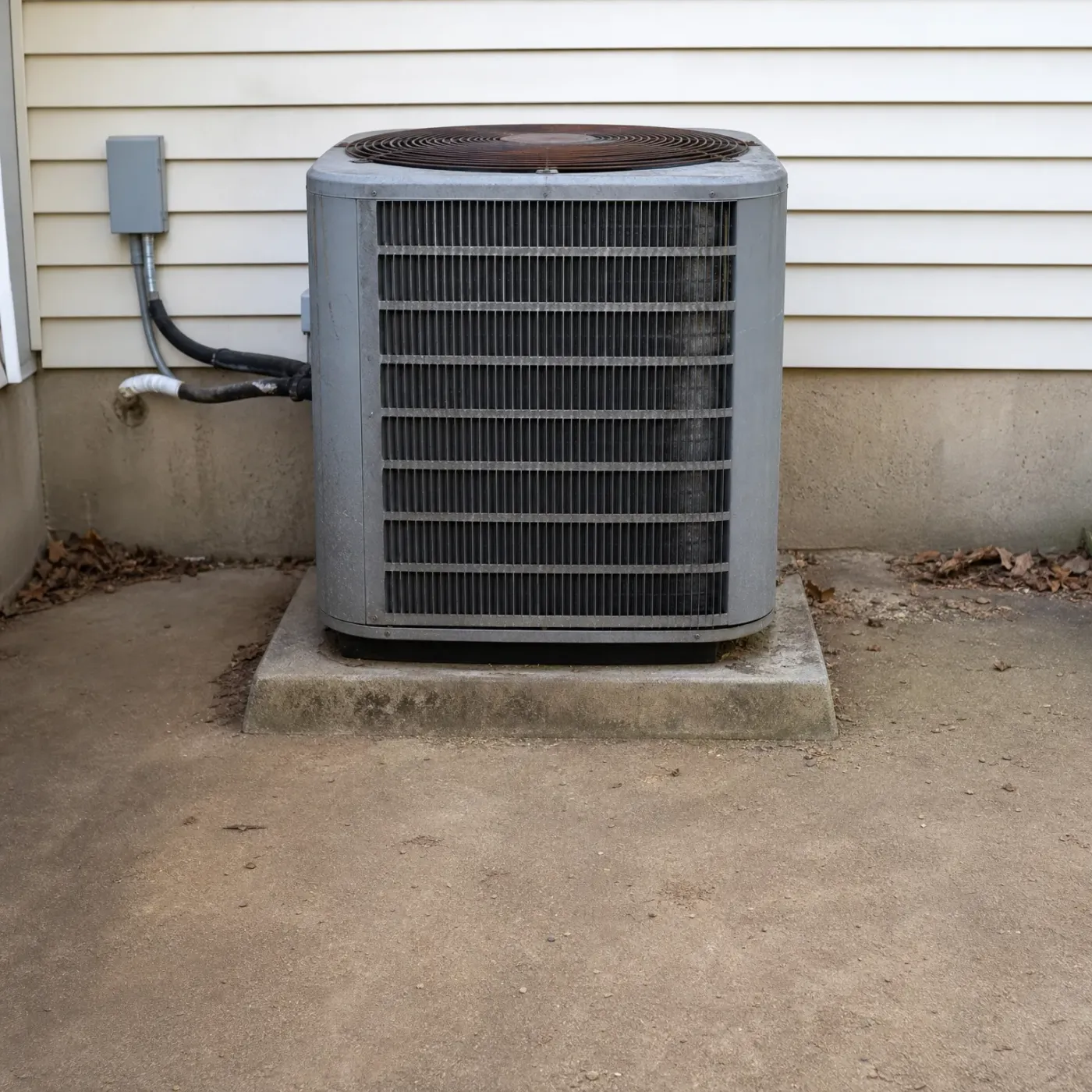
A gray outdoor air conditioner condenser unit on a concrete pad beside a house with beige horizontal siding, with an electrical disconnect box and insulated refrigerant lines on the wall and dry leaves on the ground.
Before you get your air conditioner installation
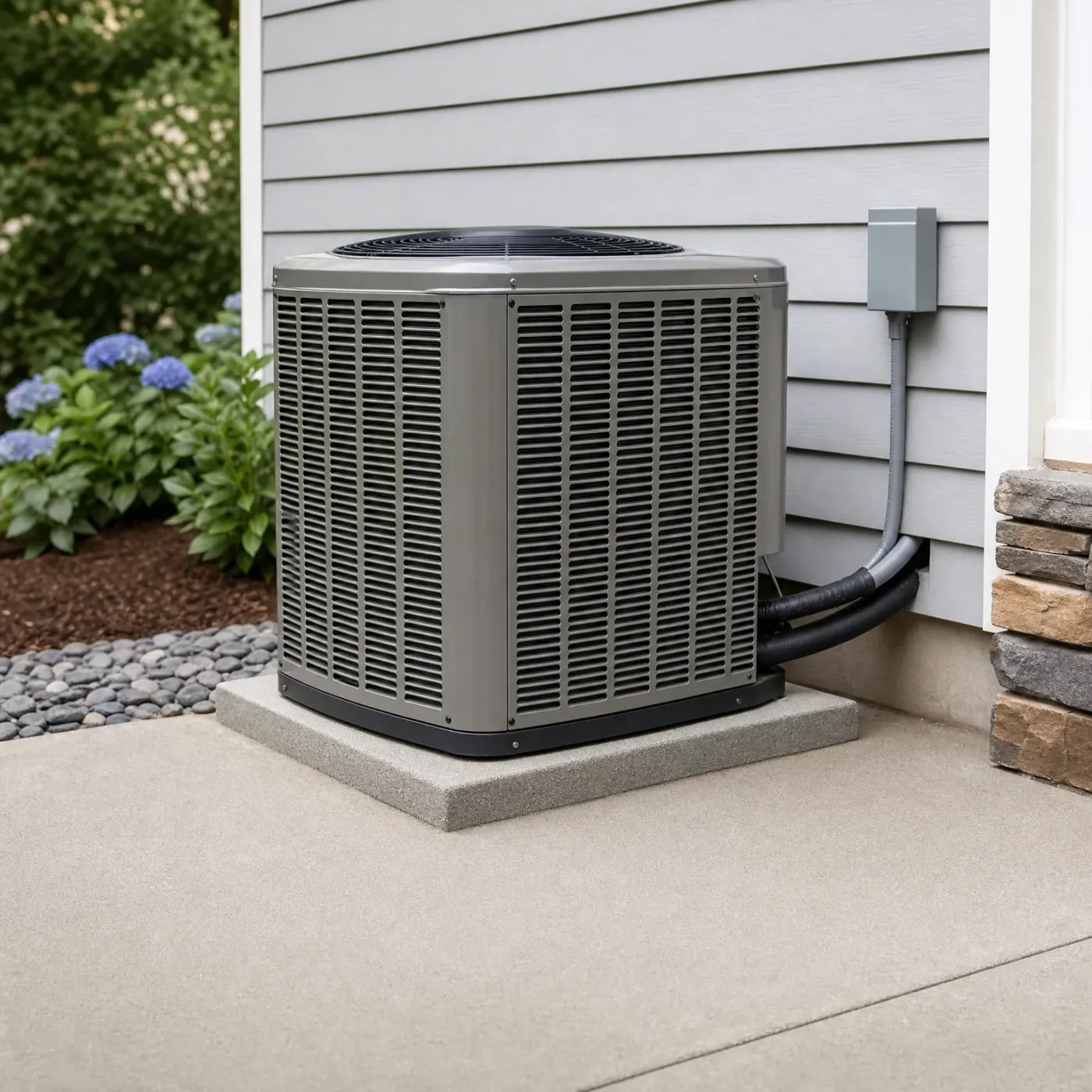
A gray outdoor air conditioning condenser unit on a concrete pad beside a house with horizontal gray siding, with a wall-mounted electrical disconnect box and insulated refrigerant lines, and blue hydrangeas in a mulched bed to the left.
After you get your air conditioner installation

It's off your list after this

If your AC is still leaving the house sticky, the fix isn't a bigger thermostat setback, it's getting a dehumidifier sized and installed alongside it. A contractor who works on cooling systems in Pennsylvania all summer has seen which setups keep up on their own and which ones leave rooms feeling damp no matter where the thermostat sits. That's the judgment you want on this, not a guess. Send the request and a local contractor licensed for this work takes it from there, just the one, so you're dealing with a single call instead of sorting through several. You stop living with musty closets and sticky air and a system that runs longer than it should just to chase humidity. Get it looked at before another muggy stretch rolls through and the air in your house tells you again that something's off.

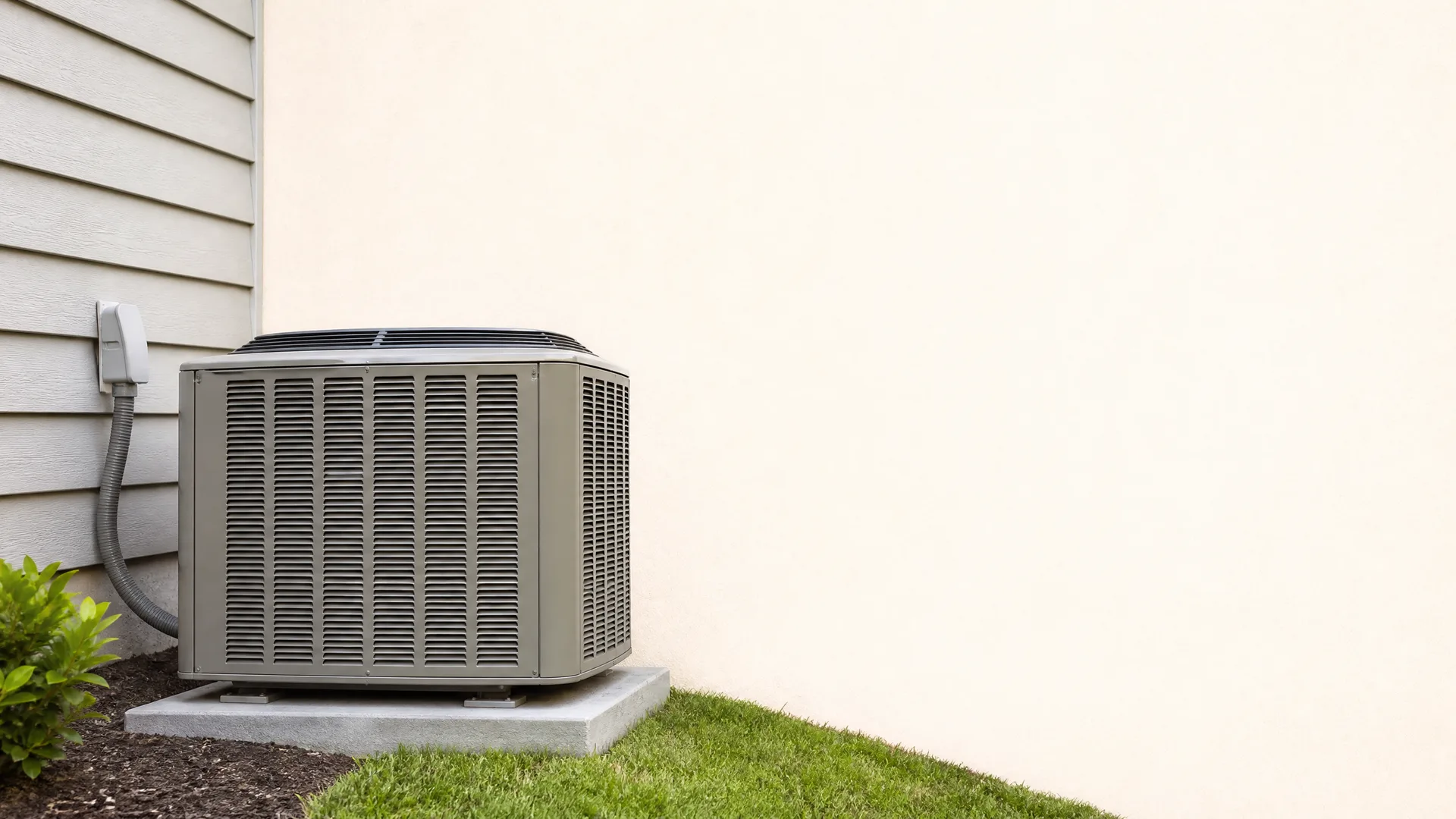
An outdoor air conditioning condenser unit on a concrete pad at the corner of a house, next to vinyl siding and a plain light-colored wall, with grass and a mulch bed in the foreground.

Running AC without a dehumidifier

The air conditioner does the only job it's built for, which is cooling the air to the setting on the thermostat. It will pull out some moisture along the way, but only when it's running, and only as much as the cycle length allows. In a house that stays a few points too humid no matter how low you set the temperature, the AC has already done what it can. Adding a dehumidifier is the part left undone, not a sign the AC was installed wrong.

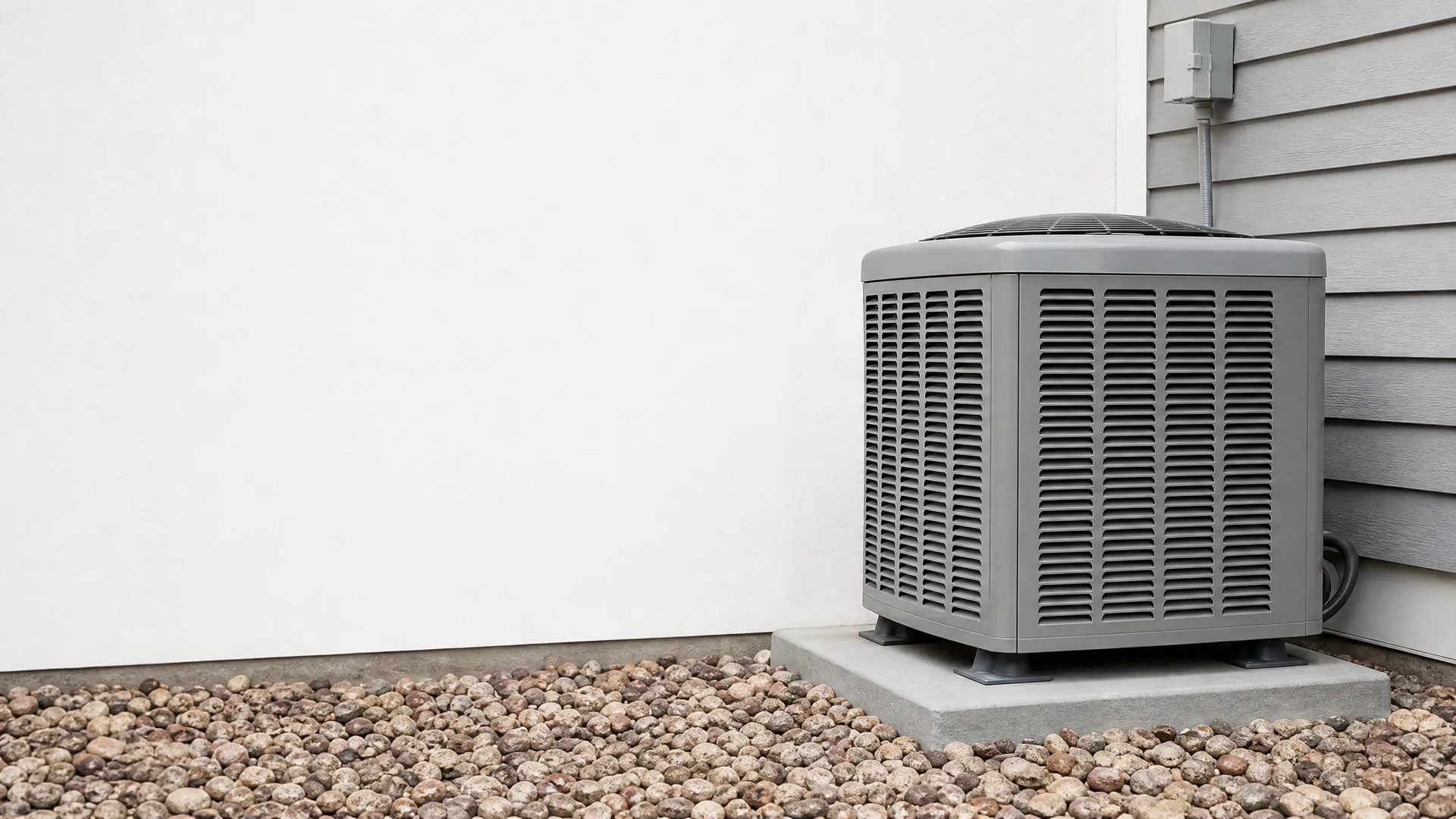
A gray outdoor air conditioning condenser unit sits on a concrete pad beside a white stucco wall and gray horizontal siding, surrounded by rounded landscaping gravel, with an electrical disconnect box mounted on the siding above.

Running AC with a dehumidifier

The two machines split the work. The air conditioner handles temperature, cycling on and off as the house calls for it. The dehumidifier runs on its own schedule, pulling moisture out whether or not the AC happens to be on at that moment. A basement or a closed-up upstairs that used to feel clammy by afternoon stays dry through the day. Installed together and sized for the house, neither one has to make up for what the other can't reach on its own.

An air conditioner alone can't promise a dry house in a Pennsylvania summer, and in most homes here it isn't going to. If the air still feels heavy after the thermostat clicks off, a dehumidifier installed alongside your AC is what closes that gap. A local contractor who installs these systems every summer in Pennsylvania homes knows which setups keep up on their own and which ones need the extra help, and when you send in your request, you're matched with one licensed contractor rather than left to field calls from several. That's one less thing to sort out while your house still feels damp.

Corner of a room with a white window at left, a white fireplace mantel with dark stone surround at right holding a weathered clay vase of leafy branches, and a cream upholstered sofa with a knit throw and tan pillow in the foreground.
A cushioned window seat with a brown lumbar pillow beside a white-framed window overlooking green trees, next to built-in cream cabinetry with shelves holding ceramic vessels and a wooden bowl.
An entryway with a dark wood console table holding a stone vase of olive branches and a shallow wooden bowl, a woven basket on the lower shelf, a framed landscape print on the wall, and a glass-paned wood door at left.
A wooden vanity cabinet with dark knobs and a beige stone countertop holding a round terracotta vase with leafy branches, beside a wood-framed mirror and a white sink.
Sunlit room corner with wide-plank oak flooring, white baseboard molding and beige walls, a window at left showing green trees, and a dark cabinet at right topped by a stone vase holding a leafy branch.

Stop chasing an air conditioner pro

Your request goes to one pro, not a list of companies.

Find a licensed air conditioner pro

You're not committing to anything by asking.