How to get your AC ready for a Pennsylvania summer

Step 1 of 3: Equipment

Getting your AC ready for a Pennsylvania summer means having it serviced before the humidity sets in, usually sometime in spring. A technician checks the refrigerant charge, cleans the condenser coil outside, and tests the capacitor and electrical connections, the parts that wear down over a winter of sitting unused. Pennsylvania summers get sticky, and a system that's low on refrigerant or running on a weak capacitor will struggle to pull that moisture out of the air even if the temperature on the thermostat looks fine. That strain also shows up on your power bill, since electricity here isn't cheap and a struggling system draws more to do less. Most homes in Pennsylvania heat with gas, so the AC is the one system that sits idle most of the year and needs a check before it's asked to run every day. Catching a weak part in spring means it gets handled on a mild day, not during the first heat wave.

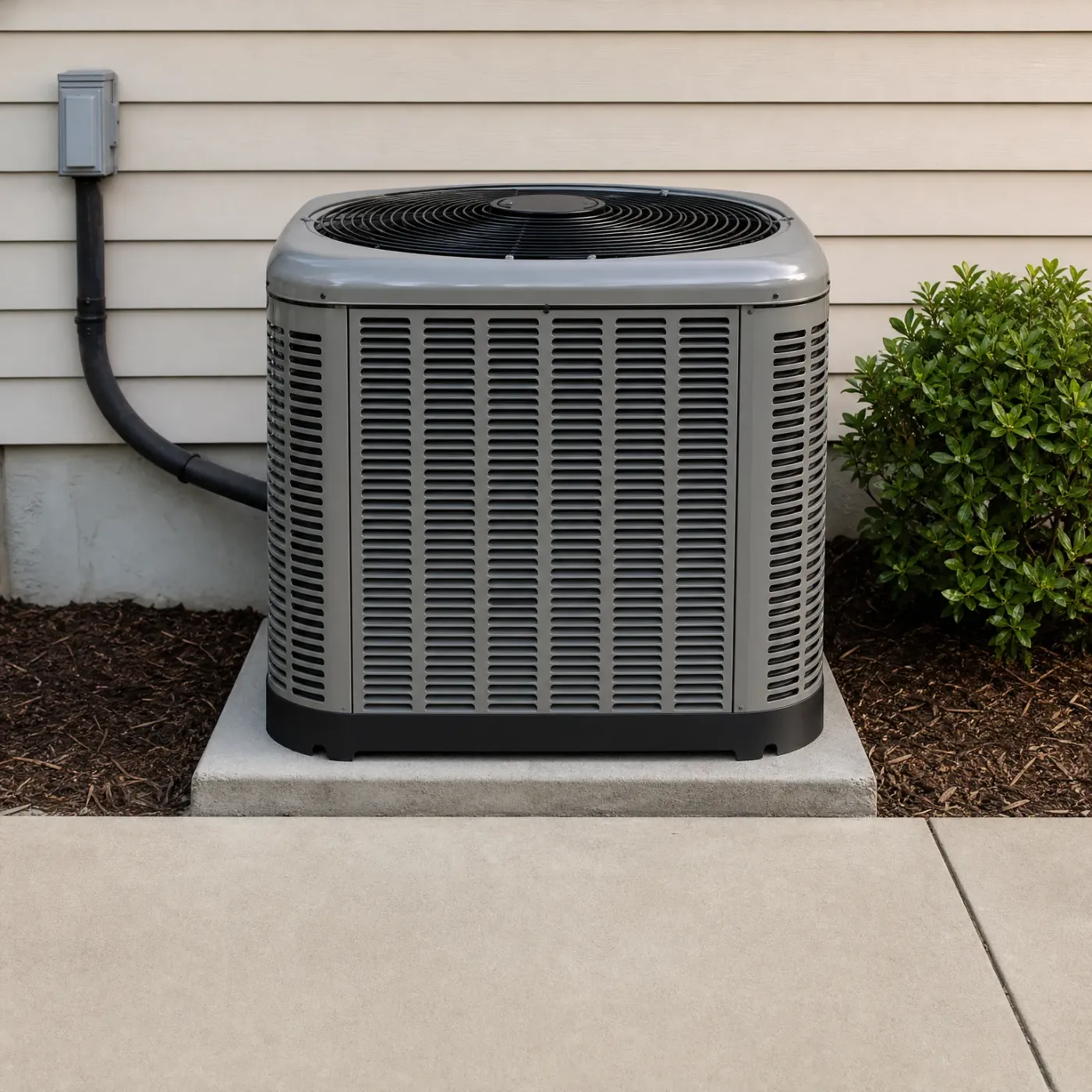
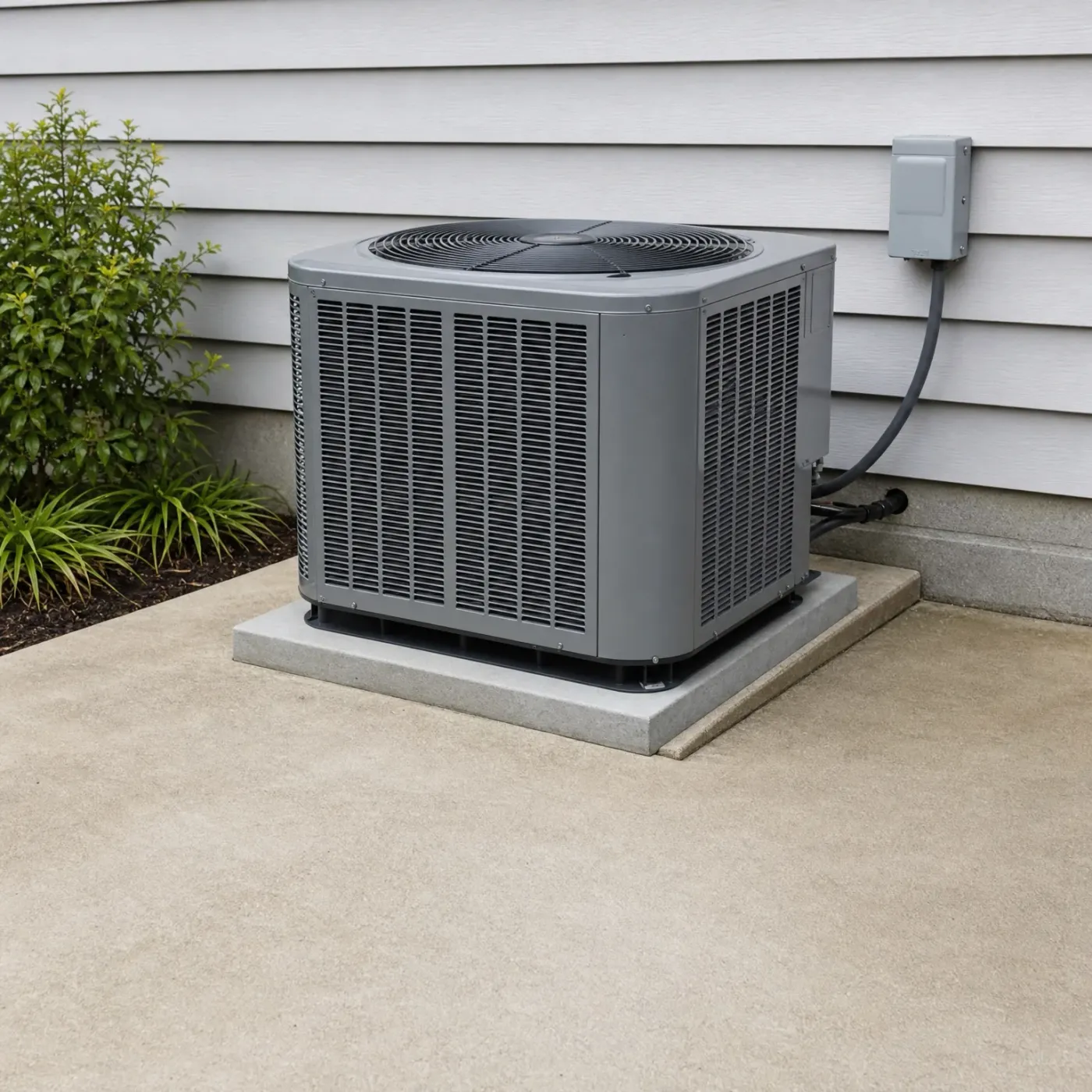
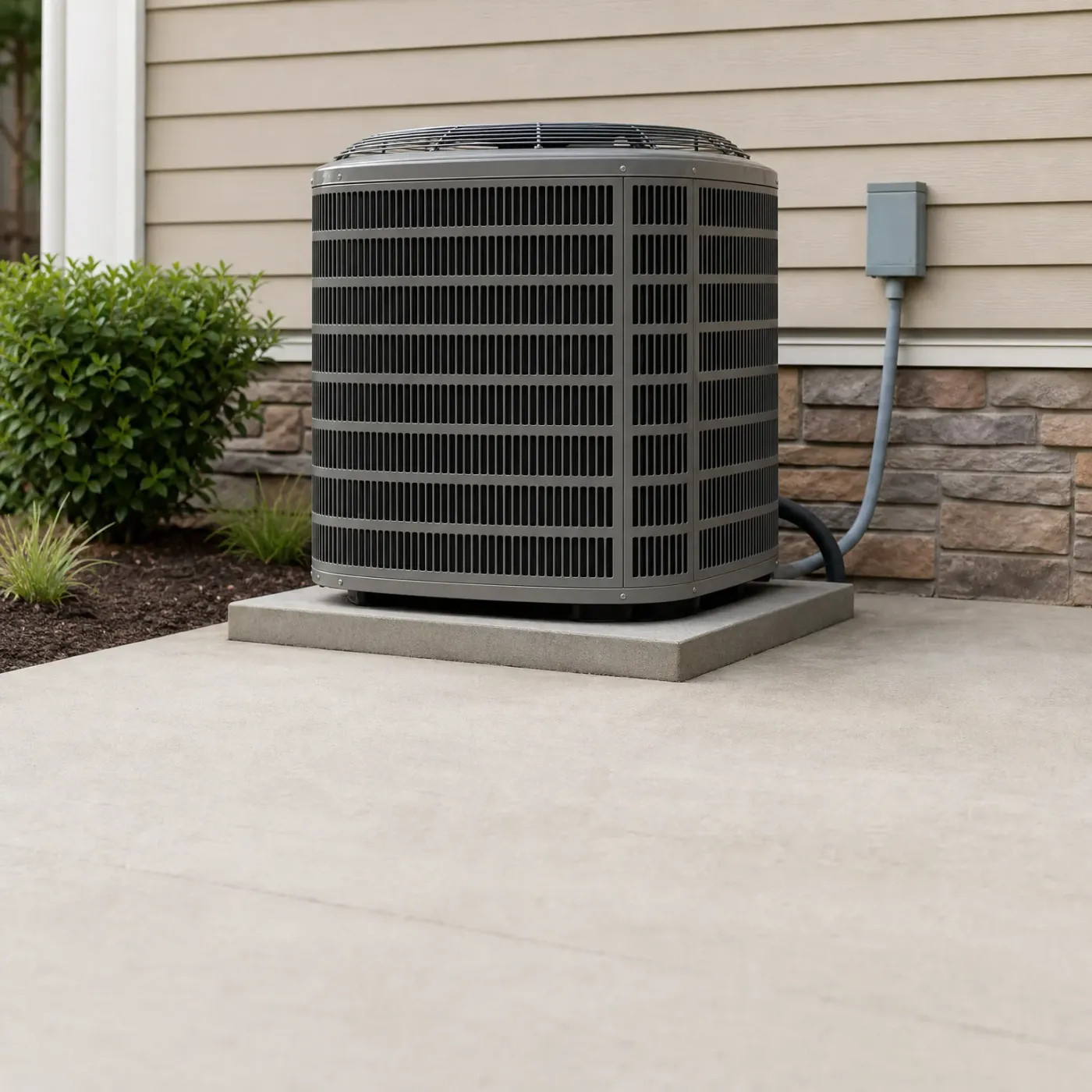
A gray outdoor air conditioning condenser unit on a concrete pad beside a house with horizontal siding and a stone veneer base, with a wall-mounted disconnect box and conduit, next to a shrub bed and a concrete patio.

Serviced before the heat hits

A clean coil and a full refrigerant charge let the unit pull humidity out of the air the way it's supposed to. It cycles on, cools the house, and shuts off. No strain, no long runtimes, no surprise when July turns sticky.
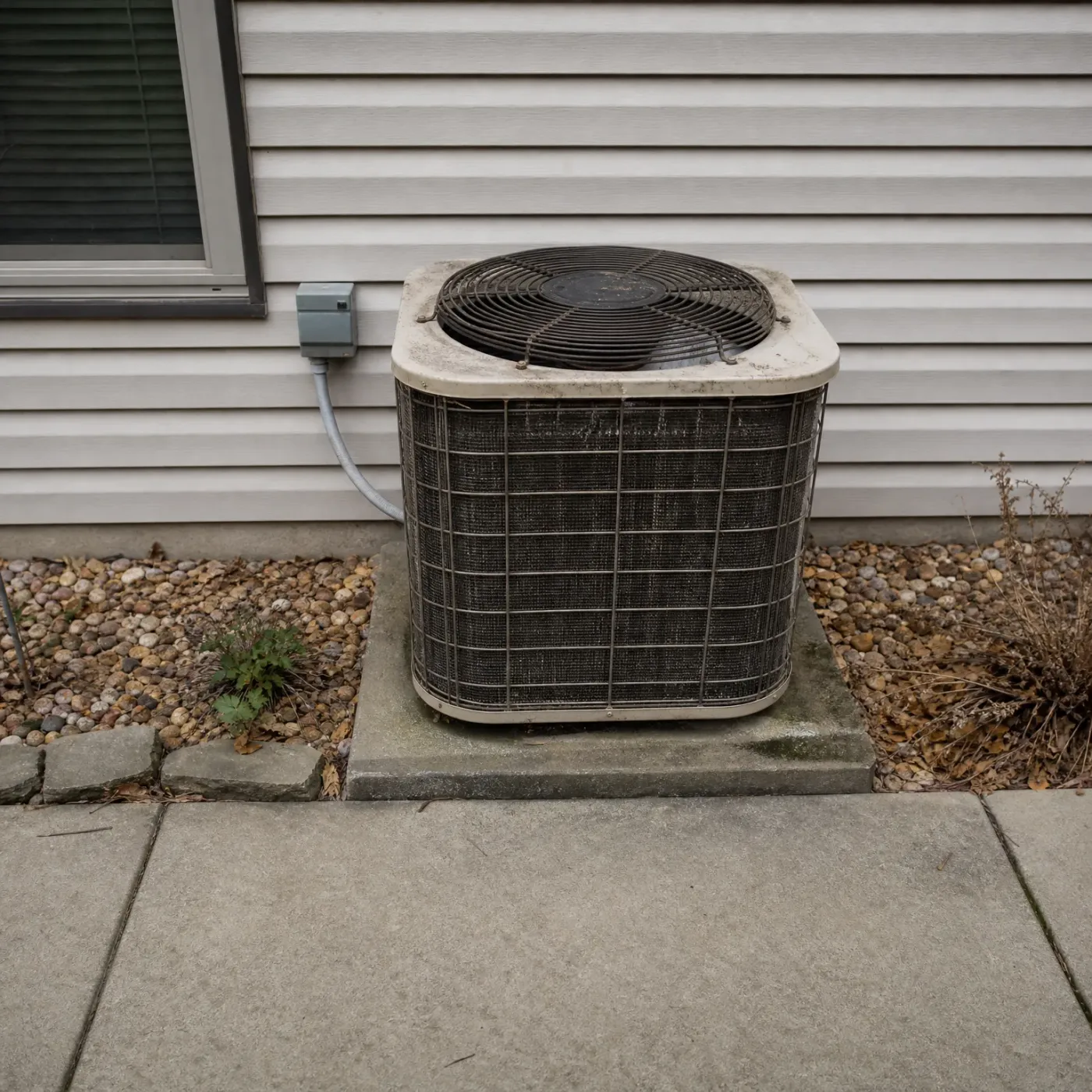

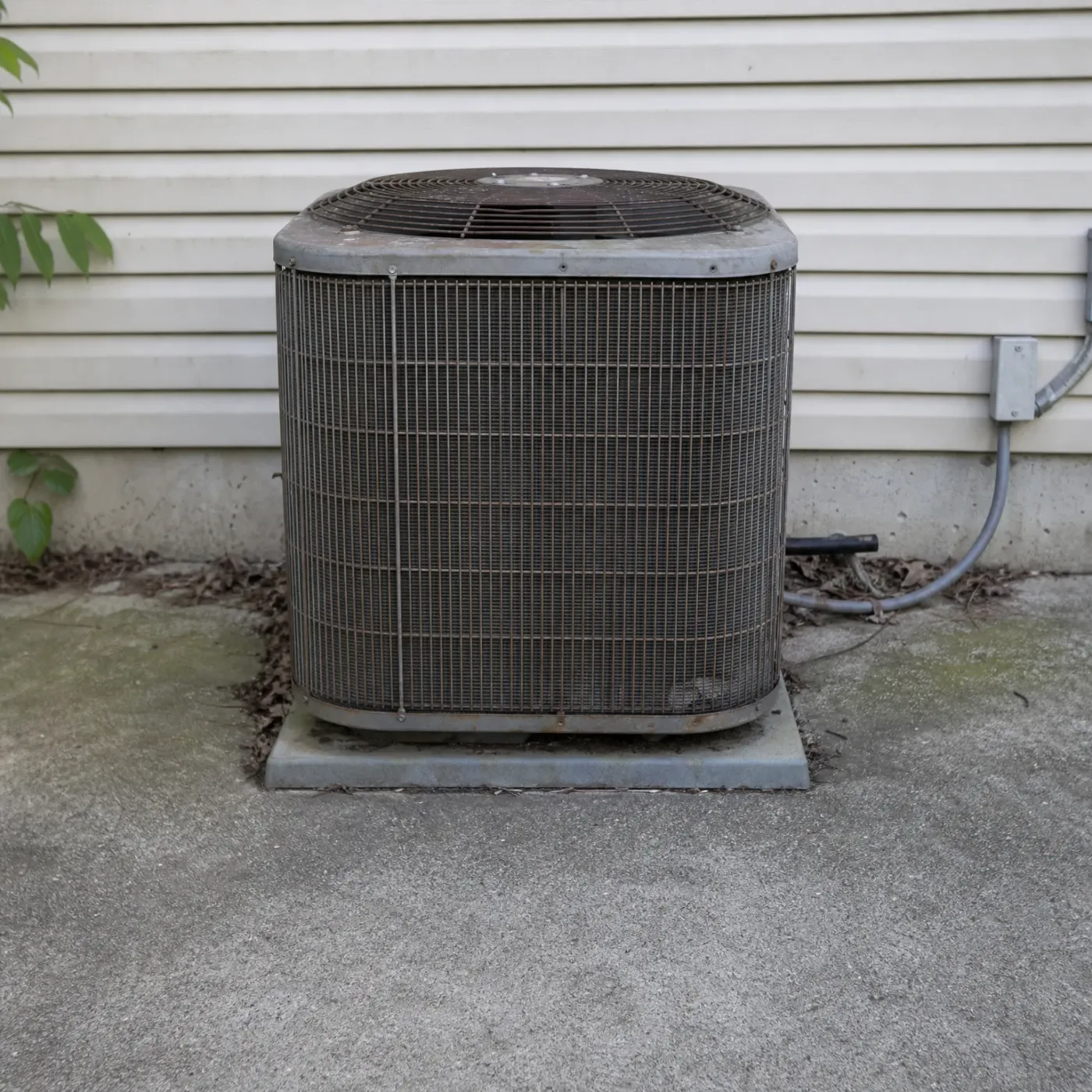
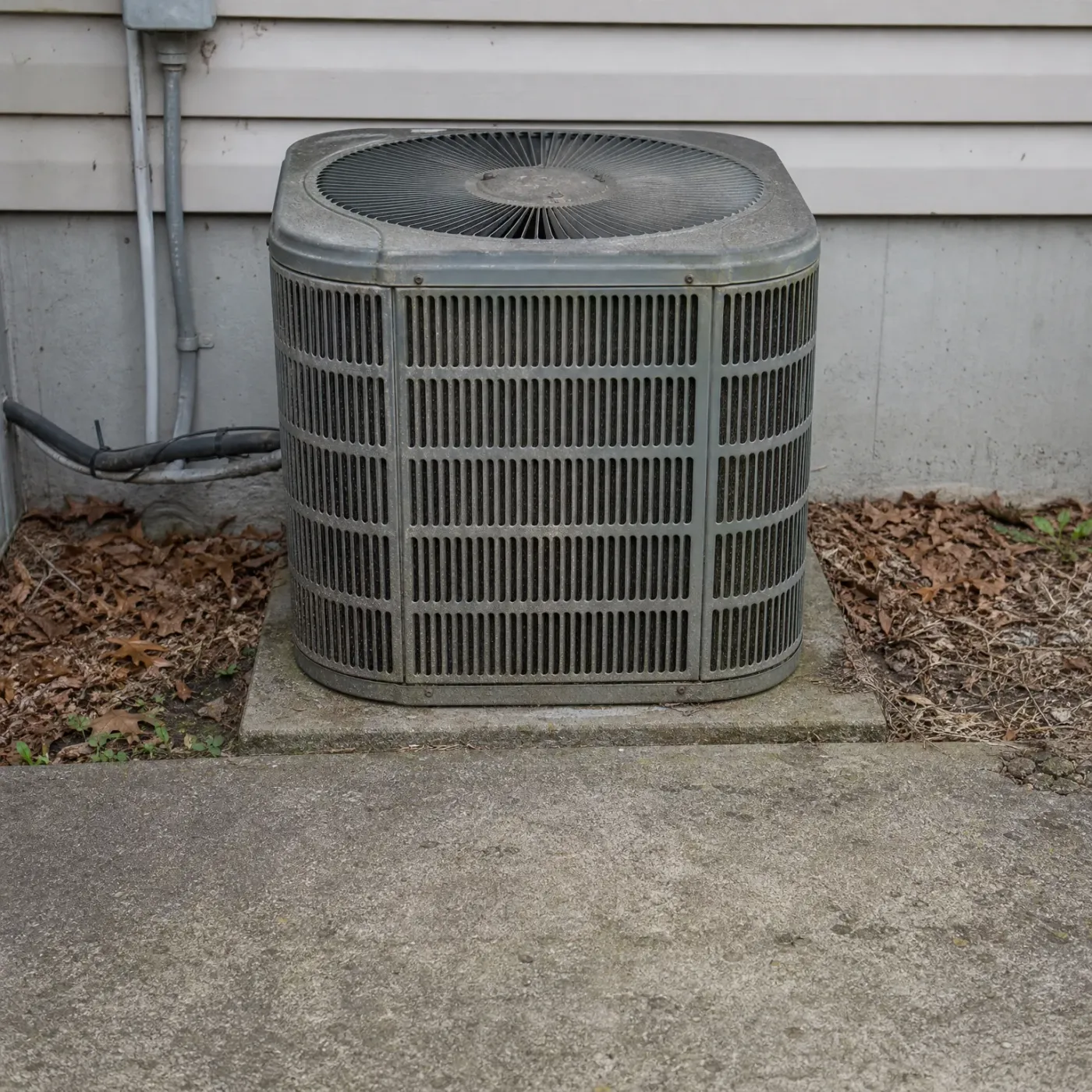
An outdoor air conditioner condenser unit on a concrete pad beside a house with light gray vinyl siding, with a gray electrical disconnect box and conduit on the wall, gravel beds and dried plants nearby, and a concrete sidewalk in the foreground.

Left alone since last summer

Weeds and gravel crowd the cabinet and choke the airflow it needs. A weak capacitor or a coil caked with dirt makes the unit run longer to do the same job, and that shows up on the electric bill before it shows up as a breakdown.

A man in a gray sweater reclines in a brown leather armchair with his eyes closed, beside a wooden side table holding a mug, a folded newspaper and a potted plant, with a bookshelf and sunlit window behind him.
A man with greying hair and a dark sweater leans back on an armchair with his eyes closed and a slight smile, in a living room with a bookshelf, plant, folded newspaper and mug on a wooden table.
A man in a gray fleece jacket sits reclined in a leather chair with his eyes closed, in a room with bookshelves, a table lamp, a window, and a desk holding a folded newspaper and a dark mug.
A bearded man in a gray fleece pullover sits with eyes closed in a brown leather armchair in a living room, with a floor lamp, bookshelf, potted plants, a side table holding newspapers and a dark mug, and a bright window behind him.

Outside, the condenser fan draws air through the coil to get rid of the heat pulled from your house. Pollen and grass clippings build up on those fins over a season, and a dirty coil can't let go of heat the way a clean one does. The capacitor is what gives the compressor and fan motor their starting kick. When it weakens, the unit hesitates, hums, or doesn't start at all. The contactor is the switch behind that, sending power to the compressor each time the thermostat calls, and its contacts wear down a little more with every cycle. Refrigerant charge matters too. Too little doesn't just mean weaker cooling, it changes the pressure in the line and can run the compressor hotter than it's built for. Inside, the coil needs steady airflow to work right, which means a clean filter and ducts that aren't blocked. Too little air across that coil and it can freeze solid. And the condensate line underneath has to stay clear, or water backs up and the system shuts itself down.

What a tune-up actually checks

  • The condenser fan pulls outside air through the coil, and if that coil is caked with pollen or grass clippings, the unit can't shed heat the way it needs to.
  • A low refrigerant charge doesn't just cool less, it drops the pressure in the line and can cause the compressor to run hotter than it should.
  • The capacitor gives the compressor and fan motor the jolt they need to start, and a weak one makes the unit hesitate or hum without starting at all.
  • Condensate from the indoor coil has to drain somewhere, and a clogged line backs up and can shut the system down or drip into the ceiling below.
  • The contactor is the switch that actually sends power to the compressor, and its contacts pit and wear a little more each time it cycles.
  • Airflow across the indoor coil depends on a clean filter and clear ducts, and too little air across it can freeze the coil solid.
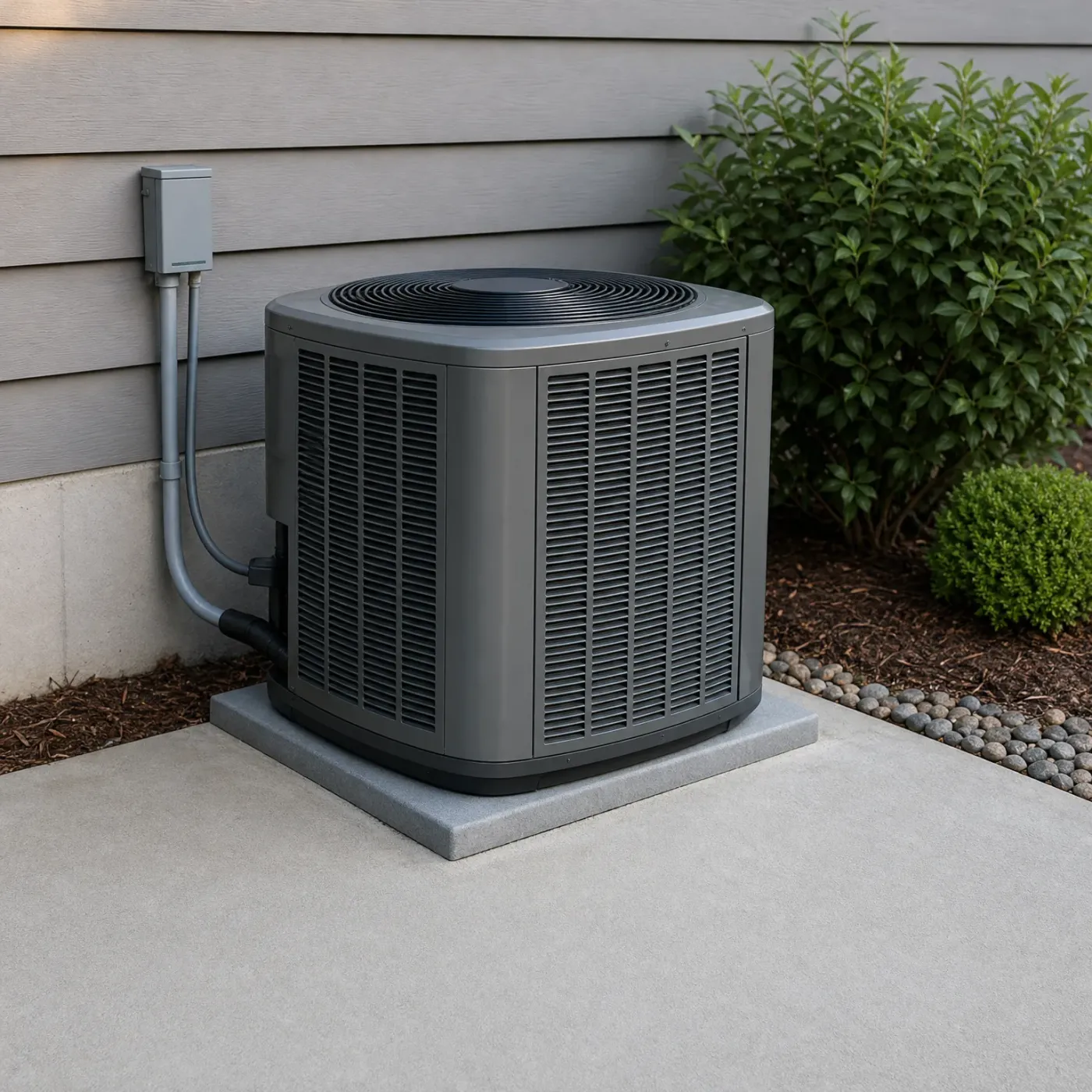
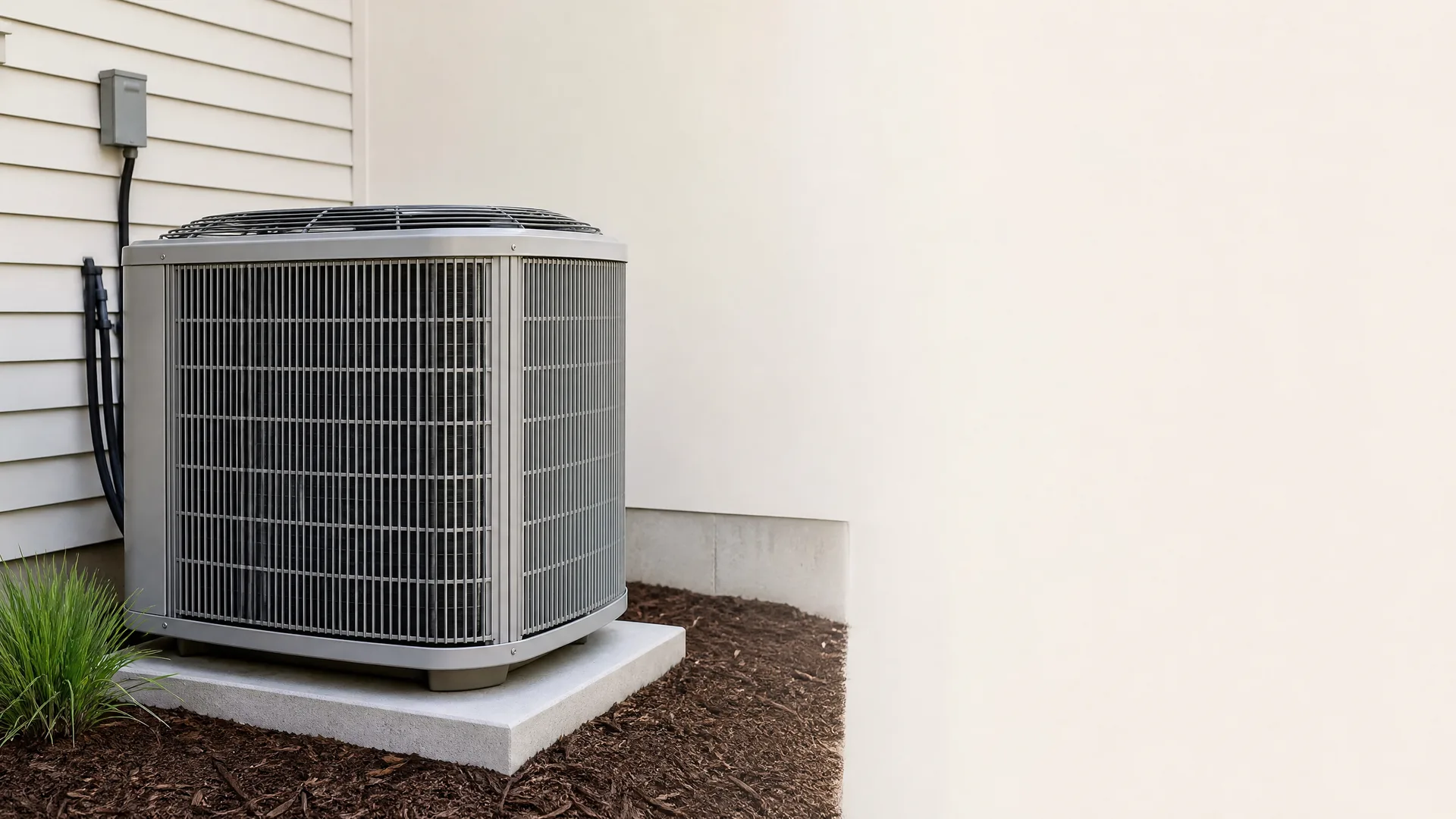
A gray outdoor air conditioning condenser unit on a concrete pad beside a house with horizontal lap siding, with a conduit and electrical disconnect box on the wall and a green shrub in mulch to the right.
The coil is clear and the yard around it is clean, so outside air moves through it the way it was designed to.
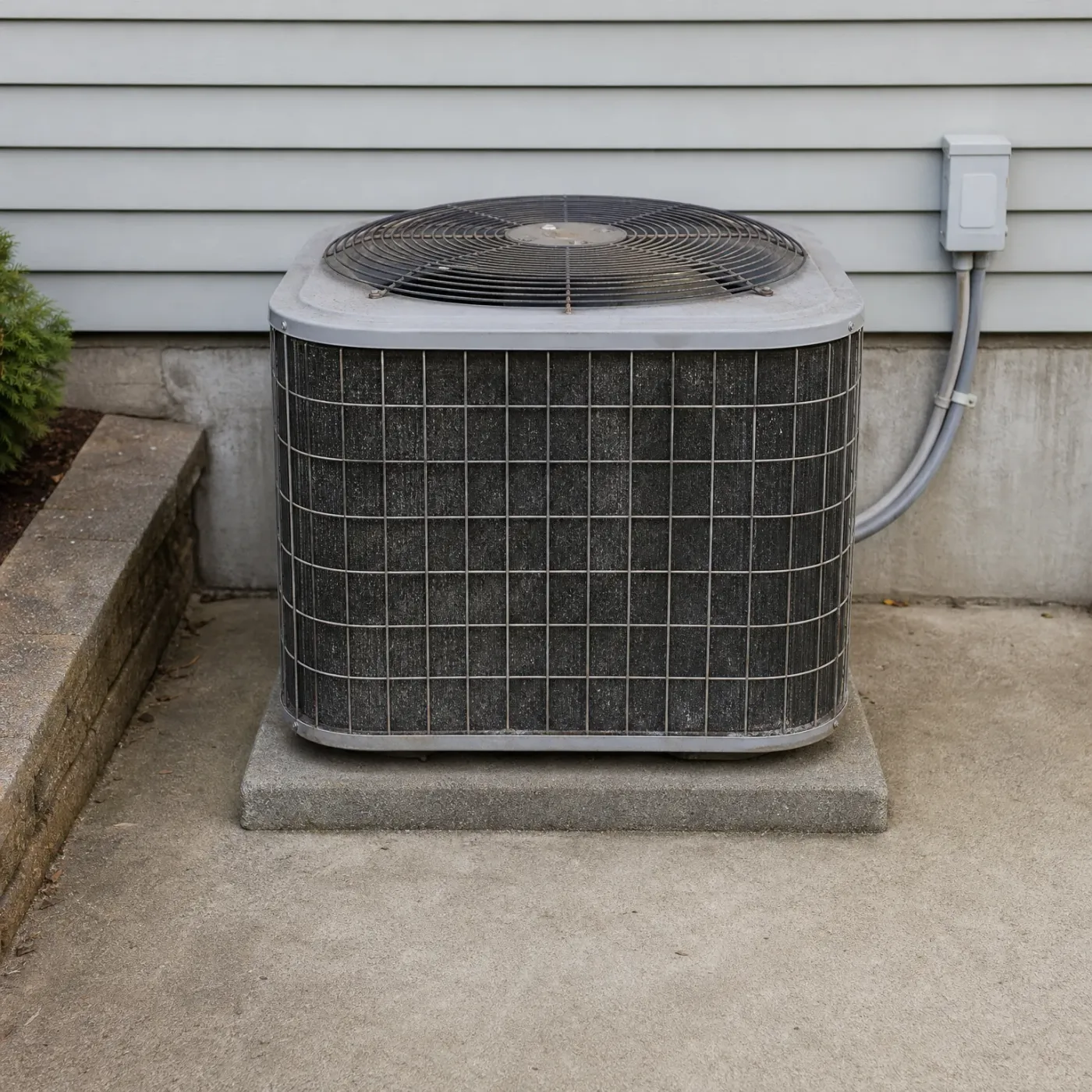
A weathered outdoor air conditioner condenser unit on a concrete pad beside a house with horizontal vinyl siding, with a conduit and disconnect box on the wall to the right.
Dirt on the grille and leaves piled at the base choke airflow, and the compressor inside works harder for less cooling.
  1. Technician cuts power to the unit at the disconnect before starting

  2. Condenser coil gets cleaned of pollen, grass clippings, and dirt

  3. Refrigerant charge is checked against the manufacturer's specification

  4. Capacitor and contactor get tested under load for wear

Serviced Now or Skipped This Spring

Serviced

  • A technician catches a weak capacitor on the bench, not when it fails and leaves you without cooling on a 90 degree day.
  • The coil gets cleaned so the compressor isn't working harder than it has to, which keeps the draw on your electric bill where it should be.
  • Refrigerant charge gets checked against the manufacturer's spec, so the system pulls moisture out of the air the way it was built to.
  • Electrical connections get tightened and tested under load, so a loose wire doesn't turn into a dead unit mid-July.
  • You know going into summer what shape the unit is in, instead of finding out the first hot week it runs.

Skipped

  • The unit runs on whatever charge and buildup it has from last year, and you don't find out it's short until it's struggling to keep up.
  • A capacitor that was already weak last fall has sat through winter without anyone testing it, and summer heat is what finally pushes it past the edge.
  • A dirty coil means longer runtimes to reach the same temperature, and in Pennsylvania's humidity that shows up on the electric bill.
  • If something fails in August, you're calling around for whoever can come out, instead of having already had it looked at.
  • Small problems that a technician would have caught in April, like a loose connection or a sticking contactor, get left to turn into a no-cool call.
A gray outdoor air conditioner condenser unit on a concrete pad beside a house with horizontal lap siding, with a wall-mounted disconnect box and conduit at left and a green shrub and mulch bed at right.

Running normally

The pad is clear, the conduit runs clean to the disconnect, and the unit cycles on and off without you noticing it. It keeps up on the hot, sticky afternoons without running nonstop. Nothing about it asks for your attention.

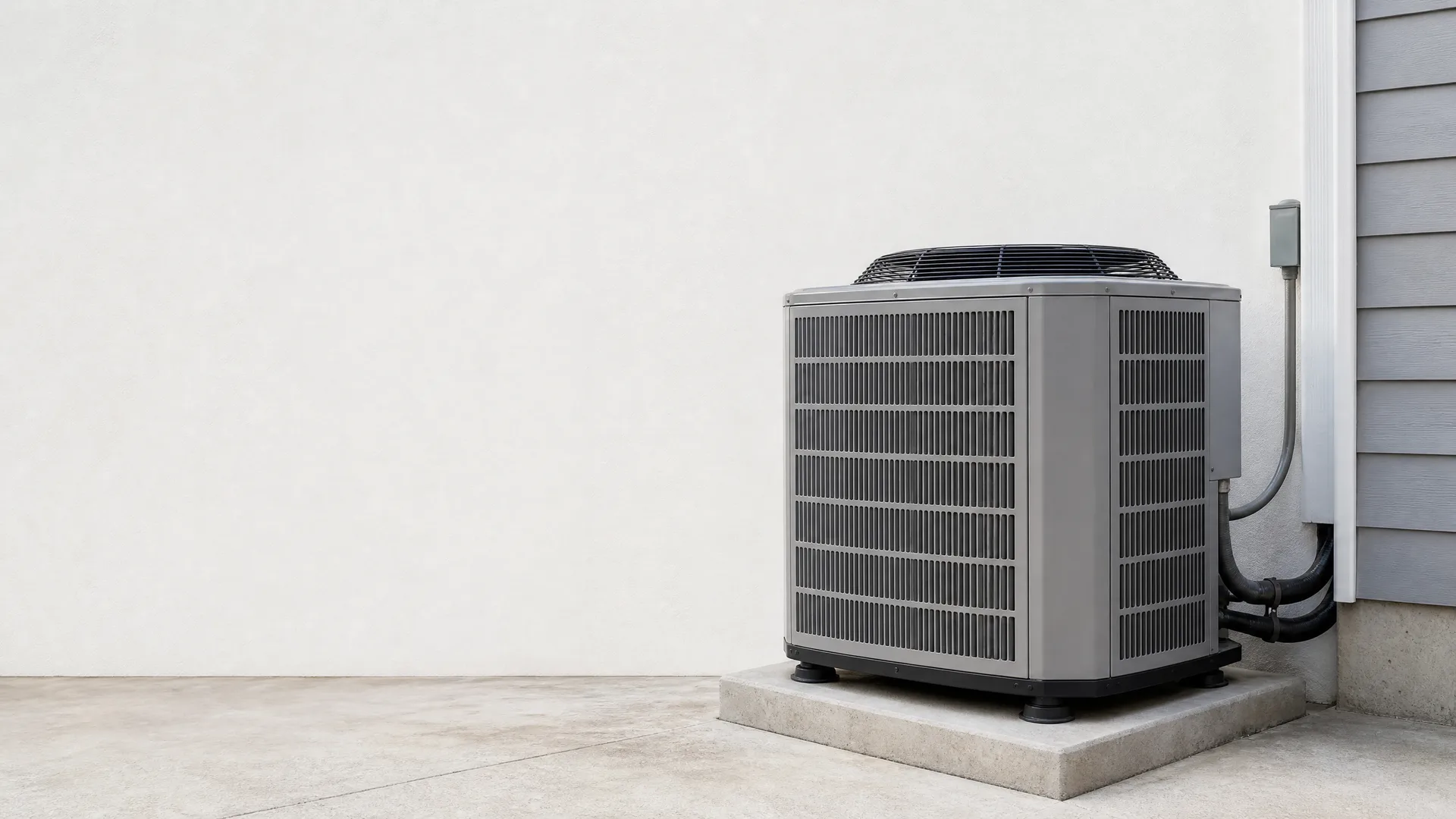
An outdoor air conditioner condenser unit on a concrete pad beside a house with horizontal lap siding, with a conduit running to a gray electrical disconnect box on the wall.

Starting to struggle

The unit is running longer to hold the same temperature, or it's blowing air that doesn't feel as cold as it used to. Left alone, a strained compressor is what fails first in August, usually on the day you need it most.

An outdoor air conditioning condenser unit on a concrete pad beside a house with horizontal siding and a concrete foundation, with dry brown leaves on the ground to either side.
Before you get your air conditioner maintenance
A gray outdoor air conditioning condenser unit on a concrete pad beside a house with horizontal lap siding, with a wall-mounted disconnect box and conduit, and shrubs to the left.
After you get your air conditioner maintenance
A two-story house with cream horizontal siding, a dark gabled roof, and a white front door, fronted by a lawn, shrubs, and a concrete walkway leading to a sidewalk and street, with large leafy trees on both sides.

A dew point of 61°F is the summer average across Pennsylvania, from the National Weather Service. That's the air sitting heavy even before the temperature climbs, and it's your air conditioner's job to wring that moisture out along with the heat. A unit that's low on refrigerant or running a dirty coil can still blow cold air and still leave the house feeling damp, because pulling humidity out takes a full charge and a coil that can shed heat properly. You'll notice it as a clammy feel in the house that the thermostat says shouldn't be there. A local contractor who services AC systems in this kind of air all summer knows what that moisture does to a unit over the years, and a licensed one handles your call directly, not passed through a call center to whoever picks up next.

NASA POWER T2MDEW county cells weighted by homes

Send one request and you're done looking

A licensed local pro takes the request for your air conditioner tune-up.

Sending the form costs nothing.

An outdoor air conditioner condenser unit on a concrete pad beside a house with horizontal lap siding and a light stucco wall, surrounded by dark mulch and an ornamental grass.

How the compressor earns its keep

The compressor is the part doing the real work, squeezing refrigerant so it can shed heat outside and pick up heat inside. It's built to run for years, but a weak capacitor makes it strain on every startup, drawing more amperage than it should. That strain adds up across a Pennsylvania summer. A technician testing the capacitor under load catches that before the compressor itself takes the damage.

An outdoor air conditioning condenser unit on a concrete pad beside a light stucco wall, with a disconnect box and refrigerant lines running to adjacent lap siding.

Where the humidity actually goes

Warm, sticky air moves across the indoor evaporator coil, and the moisture in it condenses on the cold metal the same way it does on a glass of ice water. That water drips into a pan and drains outside through a small line. If the coil is dirty or the charge is low, less moisture condenses, and the air coming out of your vents stays damp even while it's cooling. A clean coil and a correct charge are what make the air feel dry, not just cold.

What does a technician actually check during AC maintenance?

You want to know what you're actually paying for before you book someone to come out. "Maintenance" can sound vague, like a technician shows up, glances at the unit, and leaves. You'd rather know the specific things that get checked, so you know whether it's worth doing every spring before the humidity hits Pennsylvania.

A set list of checks, not a once-over

A technician starts by cutting power at the disconnect, then pulls the panel to check the capacitor and contactor under load, since those are the parts most likely to fail on a hot day. The refrigerant charge gets checked against the manufacturer's specification, because too little or too much both cost you cooling. The condenser coil gets cleaned of whatever built up over fall and winter, pollen, leaves, grass clippings, since a dirty coil makes the compressor work harder. The drain line gets checked so condensation has somewhere to go. Electrical connections get tightened, since a loose one generates heat and wears out a part early. None of this is guesswork. It's the same sequence every time, because that's what catches a problem before July does.

A gray-haired man with a beard in a blue button-placket shirt reclines on a couch with his eyes closed, beside a sunlit window with a green plant.
A woman in a cream knit sweater sits in an armchair with her eyes closed near a window showing yellow autumn foliage, with a mug on a round wooden side table beside her.

Power costs 19.29 cents per kilowatt-hour statewide

At 19.29 cents a kilowatt-hour, a compressor that's straining to make up for a dirty coil or a low charge shows up on your bill fast. Keeping the unit running the way it was built to run is what keeps that number from climbing every time it cycles on.

EIA-861 2025 statewide residential average

Ready before the heat hits

  • Getting your AC ready for a Pennsylvania summer comes down to one visit before the sticky weather sets in.
  • That visit catches a weak capacitor or a dirty coil before either one leaves you without cooling in July or August.
  • A local technician who services this equipment every spring knows which parts in Pennsylvania units tend to fail first.
  • Sending one request means one contractor calls, not a handful of companies competing for the job.
  • A unit that's been checked runs the way it was built to, cycling on and off instead of straining through the afternoon.
  • Where you stand after that visit is simple: the coil is clean, the charge is right, and the unit is ready for the heat.

A Pennsylvania summer asks a lot of an air conditioner, and the unit either meets that or it doesn't. One visit before the humidity sets in tells you which. A technician checks the charge, cleans the coil, tests the capacitor under load, and either finds something worth fixing now or confirms there's nothing to worry about once July turns sticky.

What matters as much as the visit itself is who's doing it. A technician who works on this equipment every spring in Pennsylvania has already seen which parts tend to go first here, the ones that struggle under the weight of a summer like this one. That's not something you have to take on faith. It shows in what gets checked and what gets caught before it fails.

Sending one request puts that technician in front of you, not a string of companies calling to bid on the job. One contractor, local, already familiar with units like yours. That's the whole arrangement.

After the visit, you know where you stand. The coil is clear, the refrigerant charge matches what the manufacturer specifies, the capacitor held up under load. The unit cycles on, pulls the humidity and the heat out of the house, and cycles off. No straining through a 90 degree afternoon, no surprise when the air finally turns heavy. That's what getting ready for summer here actually means.

A curving paver walkway runs alongside a house with beige lap siding and a white-trimmed window, bordered by low shrubs, grassy plants, and trees in sunlight.
A dark-framed casement window with divided upper panes set in a stucco wall beside a stone-clad section, with hydrangeas, hostas and trimmed shrubs in a mulched bed above a lawn.
White horizontal lap siding wall with a single six-pane double-hung window, above a mulched bed of hydrangea shrubs with browning blooms, bordered by mown grass in low sunlight.
Interior corner with tan plaster walls, a potted olive tree in a large terracotta urn beside a floor-to-ceiling window, and a wooden bench with a beige cushion on a herringbone brick floor partly covered by a woven jute rug.
A wooden bench beneath a window holds a green linen cushion and a fringed cream throw, with a woven basket stored underneath on a wood plank floor.

Finding a pro stops being your job

Only one pro gets your request, so you hear from one company.

Get a licensed local pro

You're not committing to anything by asking.