Profile view of a bearded man wearing a black baseball cap and a dark gray T-shirt against a plain light background.

How to lower your AC bill in a Pennsylvania summer

Step 1 of 3: Equipment

The biggest thing you can do is have your air conditioner serviced before the heat sets in. A unit with a dirty coil or a low refrigerant charge runs longer to cool the same house, and in Pennsylvania's humid summers it's also fighting the moisture in the air, not just the temperature. Electricity here isn't cheap, so a system working harder shows up fast on the bill. Maintenance catches the dirty coil, the weak airflow, the charge that's drifted low, before any of it costs you a full summer of higher bills. Beyond that, a clean filter changed on schedule and a thermostat set a few degrees higher when you're not home both help, but they don't fix a unit that's already straining. If your AC is original to the house, or hasn't been looked at in a year or two, that's usually where the extra cost is coming from.

A woman with long gray hair wrapped in a checked blanket sits on a sofa by a window with yellow autumn foliage outside, with a lamp, framed picture and plant in the background.
An older woman in a cream knit sweater sits on a sofa by a window, looking out at sunlit trees with yellow and orange autumn leaves, with a bookshelf and lamp behind her.
A woman with gray shoulder-length hair in a dark knit sweater sits on a cushioned seat by a window, looking out at yellow autumn foliage, with a living room, armchair, houseplant and framed picture behind her.
An older woman with gray hair in a bun, wearing a cream knit sweater, sits on a sofa with a gray blanket and looks out a large window toward yellow-green autumn trees, with a lit table lamp and dark armchair behind her.

A dirty coil makes the compressor run longer

Dirt on the coil keeps it from shedding heat, so the compressor stays on longer to cool the same rooms. That extra runtime shows up on your bill.

Find an air conditioner pro

Humidity adds to the load

Your AC has to pull moisture out of the air before it can cool it. On a sticky Pennsylvania day, that's extra work the unit does before you feel any relief.

Find an air conditioner pro
A man seen from behind raises his hand to wave at a woman standing in the open front doorway of a single-story house with gray shingle siding, white columns and a gabled porch entry.

What a skipped tune-up costs you by August

Skip the service call in May and nothing happens right away. The unit still cools the house. But a weak capacitor or a coil caked with dust doesn't fix itself, it just makes the compressor work harder every single day. By the time you're running the AC flat out in July and August, that extra strain is baked into every bill you open. You end up paying for the same discomfort you were trying to avoid, plus the extra electricity.

There's also the risk of the unit quitting on the one week you need it most. Pennsylvania summers don't give much warning before the humidity rolls in, and a system that's been struggling all season is more likely to fail right when everyone else's is too, which means a longer wait for a repair. Getting matched with a contractor now, before the peak of summer, means someone is already looking at your system's specific history instead of you starting that search from scratch when it's 90 degrees in the house.

A living room corner with a beige upholstered armchair holding navy and striped cushions, a small round wooden side table with a carved bowl and a potted green plant, a framed landscape picture on a pale wall, built-in shelving, and a curtained window.
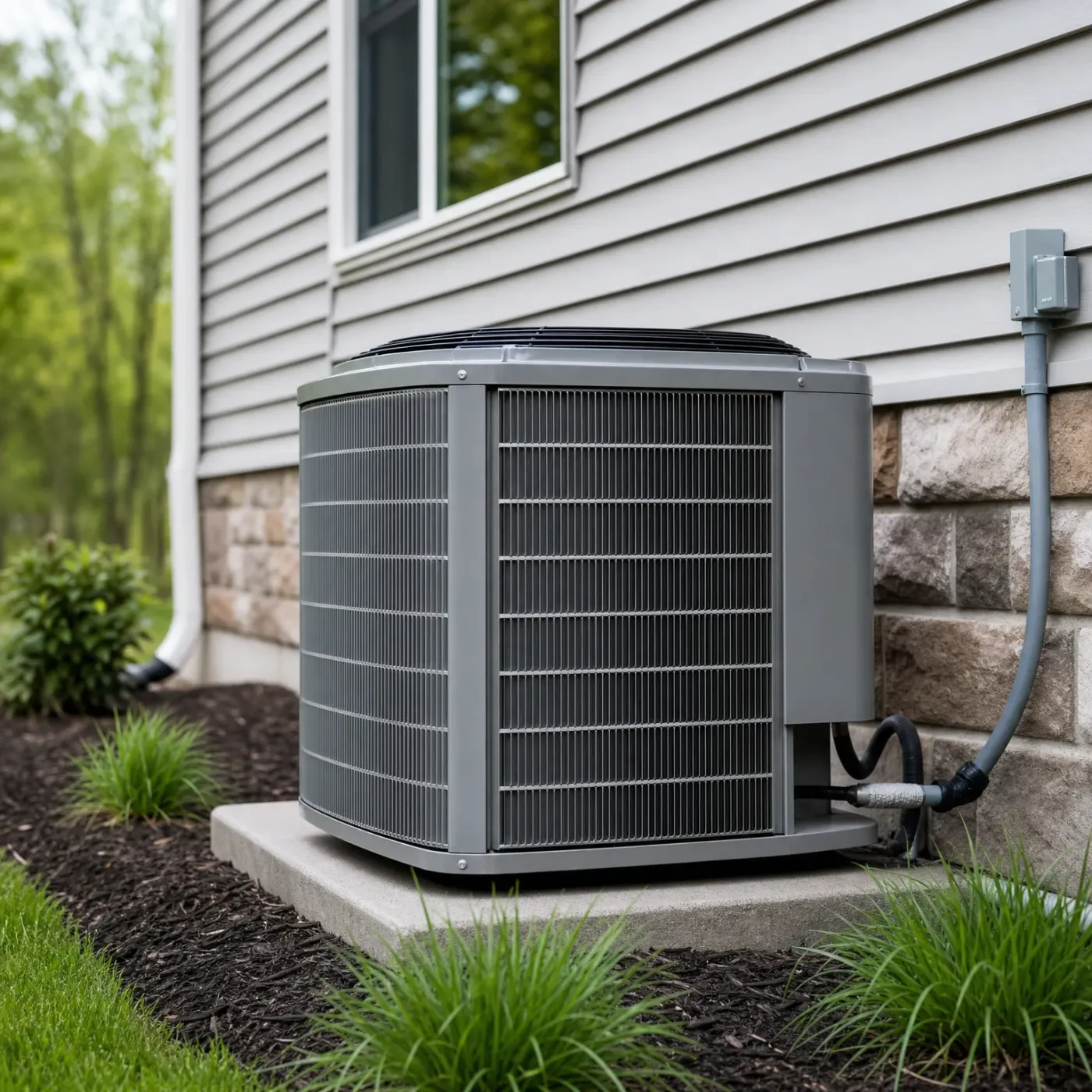
An outdoor air conditioner condenser unit on a concrete pad beside a house wall, with a gray electrical disconnect box and conduit above it and grass in the foreground.

Serviced this spring

Your AC gets a tune-up before the heat sets in. The coil gets cleaned, the refrigerant charge gets checked against what the unit calls for, and the electrical parts get tested while they're still working fine. The compressor runs the way it was built to run, and it shuts off once the house is cool instead of grinding on past it. You open the July bill and it looks like a normal hot month, not a warning sign.
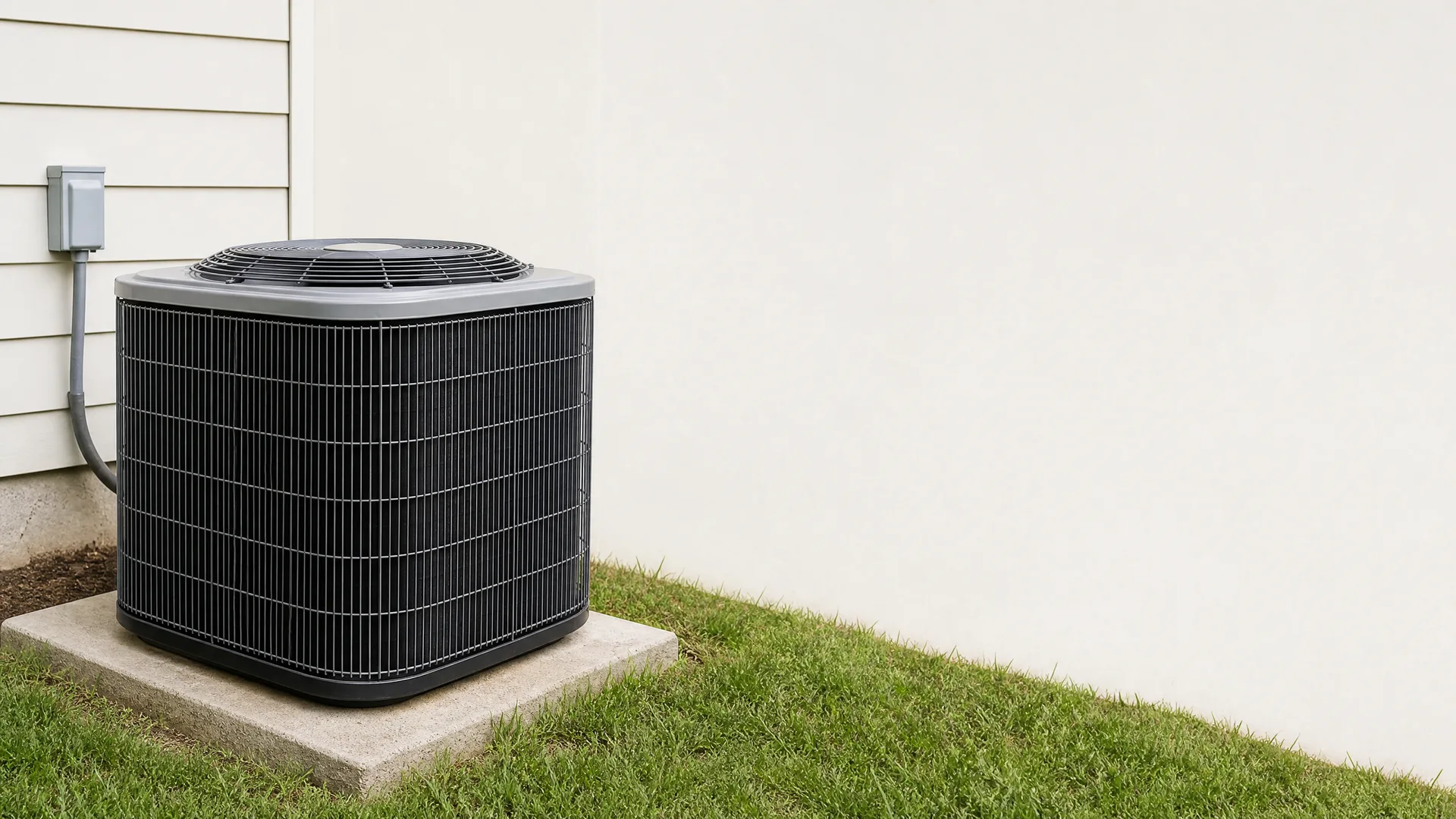
A gray outdoor air conditioner condenser unit on a concrete pad beside a house with horizontal lap siding, surrounded by white gravel and a lawn, with a white wall at left.

Left to run as is

Nothing gets checked. The coil stays dirty, the charge stays low if it's low, and the compressor just keeps compensating for both. By August it's running for hours at a stretch some days, trying to pull the same heat and moisture out of the air a clean unit would handle in half the time. You don't see any one thing go wrong. You just see the bill climb and the house take longer to feel cool when you walk in from outside.

Power costs 19.29 cents per kilowatt-hour statewide

At 19.29 cents per kilowatt-hour, every hour your compressor runs longer than it needs to shows up on the bill. A coil that's clean and a charge that's correct keep your AC from making up for lost efficiency with extra runtime.

EIA-861 2025 statewide residential average

Running the AC nonstop to beat the humidity costs you every single day it happens. A window unit or a struggling system pulls more power with no guarantee the house ever feels dry.

A system that's been serviced holds the house at temperature without running flat out. It pulls the moisture down too, because a clean coil and a correct charge were sized to do both jobs at once.
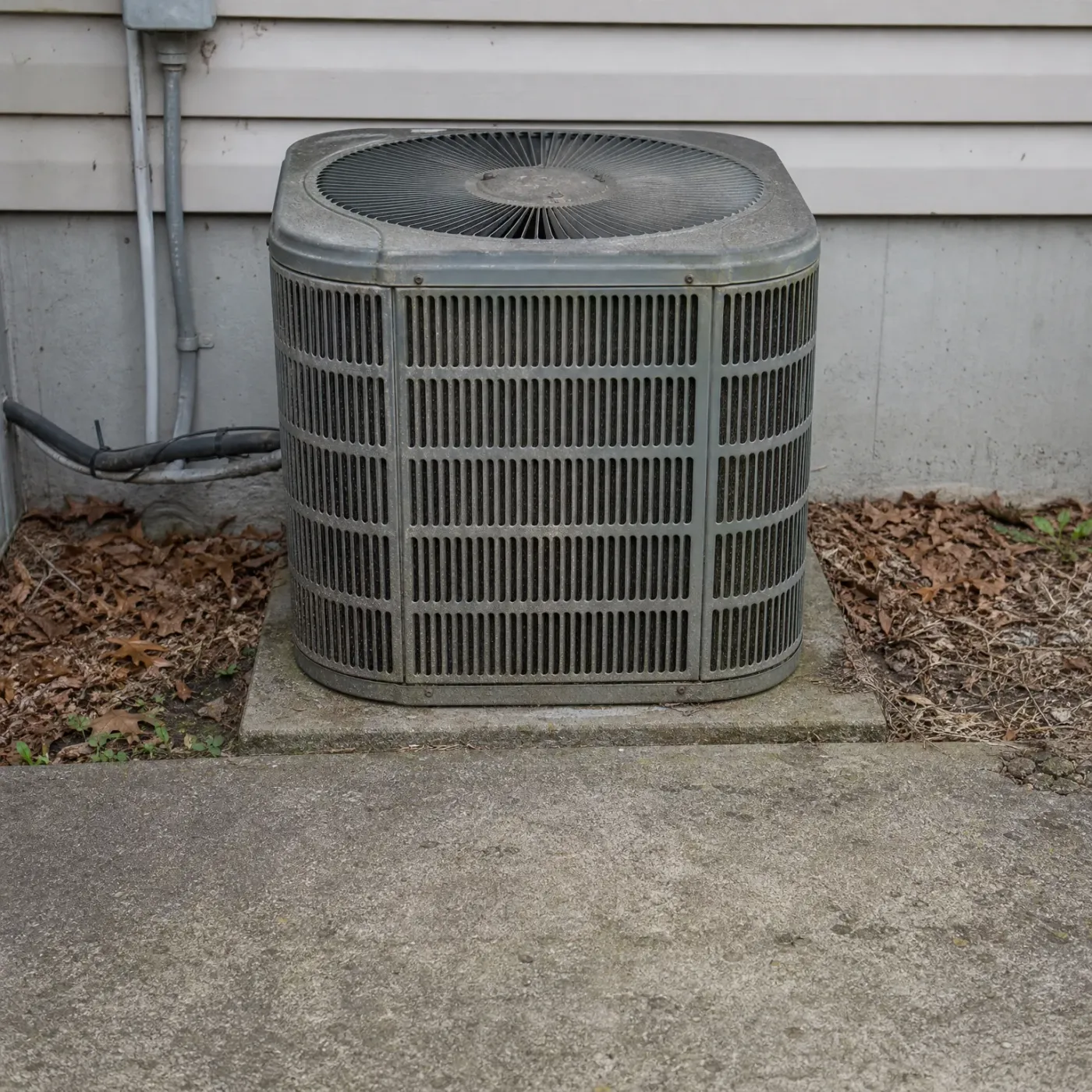
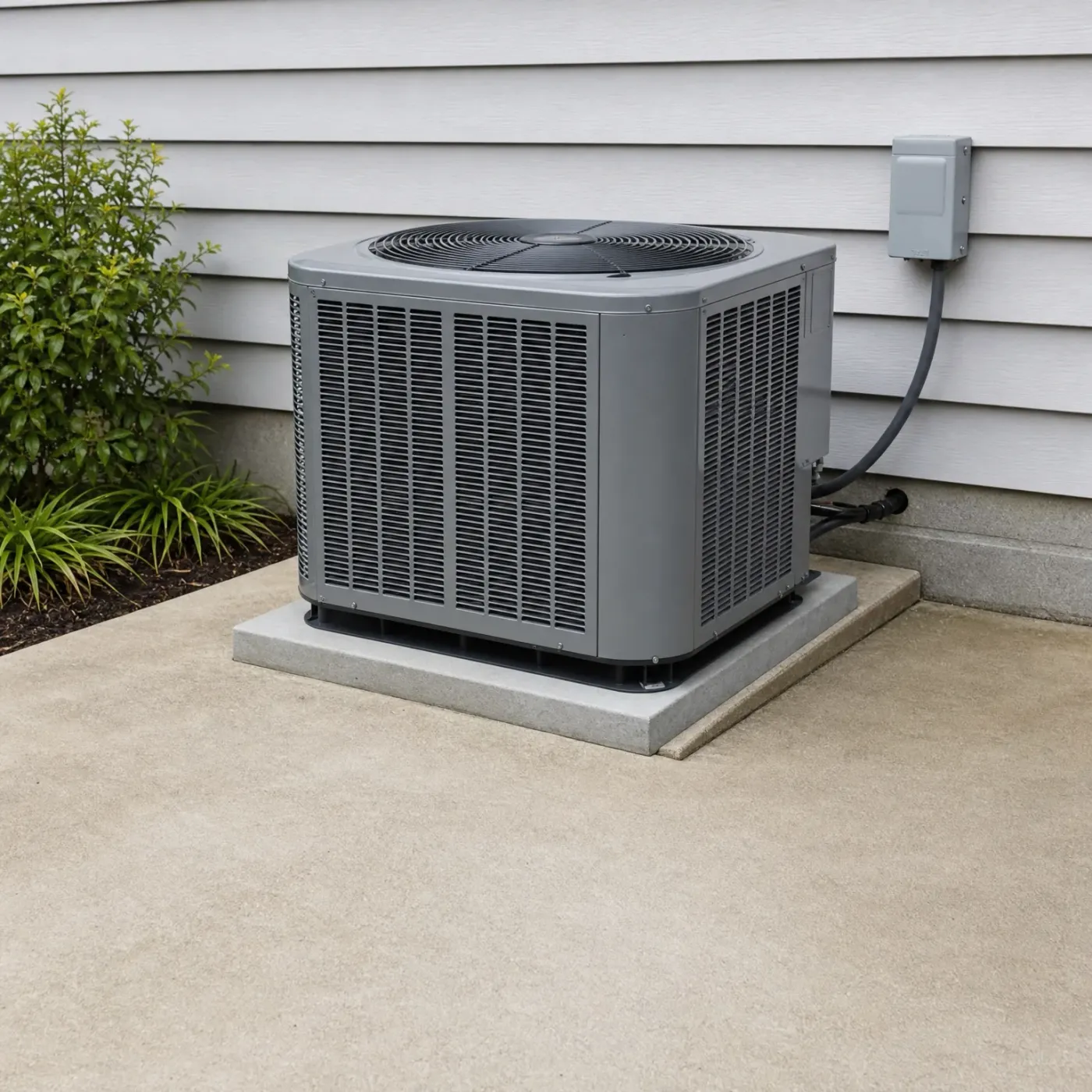
An outdoor air conditioning condenser unit on a concrete pad beside a house with horizontal siding and a concrete foundation, with dry brown leaves on the ground to either side.
Before you get your air conditioner maintenance
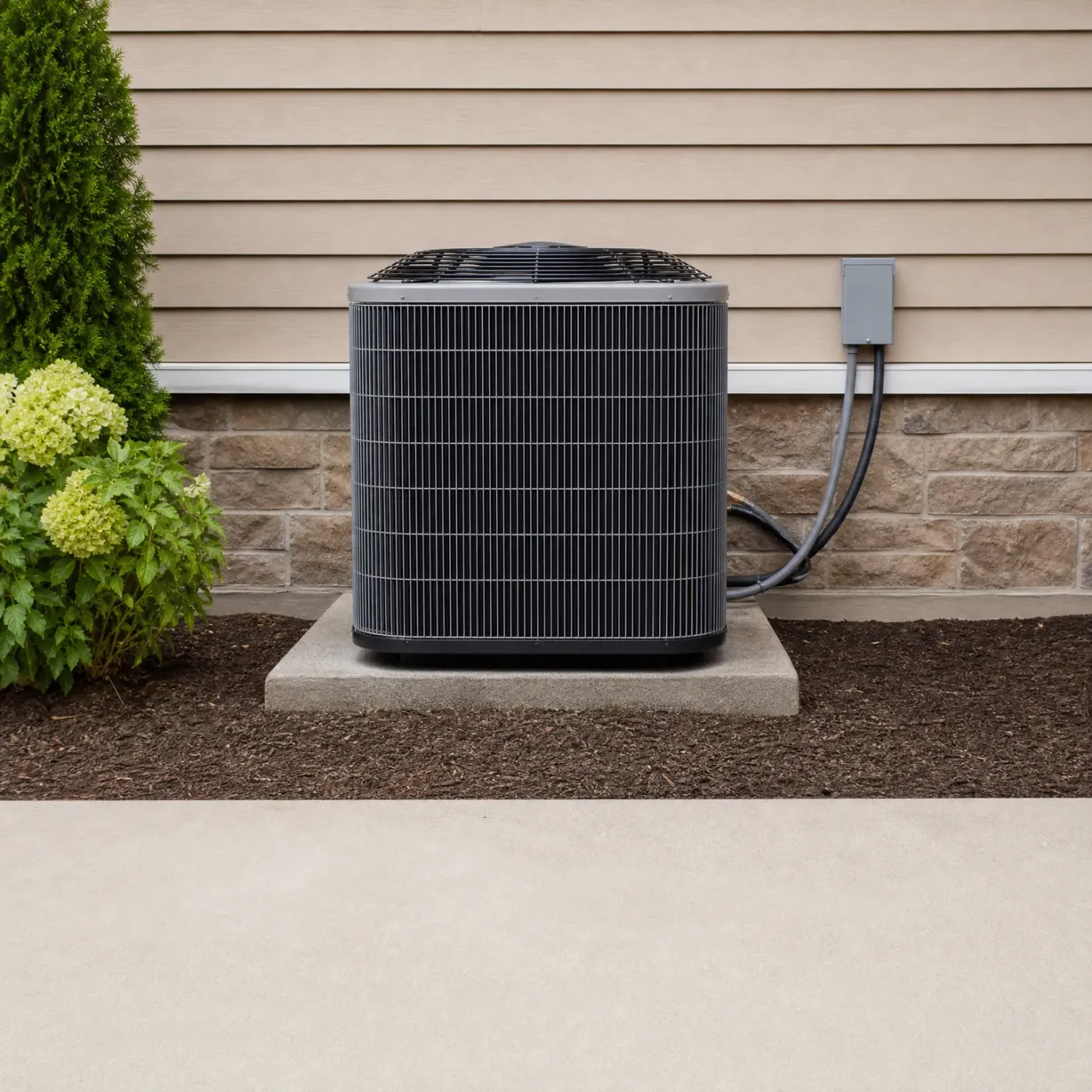
A gray outdoor air conditioning condenser unit on a concrete pad beside a house with horizontal lap siding, with a wall-mounted disconnect box and conduit, and shrubs to the left.
After you get your air conditioner maintenance
A gray outdoor air conditioner condenser unit on a concrete pad beside a house with horizontal siding and a stone veneer foundation, surrounded by mulch, ornamental grasses, and shrubs, with a conduit and disconnect box on the wall.

Get the right pro for your air conditioner

Send the form and the air conditioner tune-up stops being something to remember.

Describe your air conditioner job, and a local pro who handles it gets in touch.

Get a local pro

No fee to send it, and nothing to sign.
Steady Thermostat or Constant Adjusting

Set it and leave it

  • Pick a temperature and hold it there, even when you leave for work, so the compressor isn't restarting against a hot house every evening.
  • A programmable or smart thermostat can bump the temperature up a few degrees while you're out without you having to remember to adjust it twice a day.
  • Running a ceiling fan with the AC lets you raise the thermostat a degree or two and still feel just as cool, since moving air feels cooler on skin.
  • Closing blinds on the sunny side of the house during the afternoon keeps direct heat from adding to what the compressor has to pull out.
  • Keeping the thermostat steady avoids the long runtime it takes to recover from a big swing, which is where a lot of the extra cost comes from.

Chase it room by room

  • Cranking the thermostat down low when you walk in hoping it cools faster just makes the compressor run the same speed for longer, not harder.
  • Shutting vents in empty rooms to force cool air elsewhere can unbalance the system and make it work against itself instead of saving anything.
  • Turning the AC off during the day and back on in the evening means the compressor has to pull the whole house down from scratch during the hottest part of the day.
  • Running a window unit alongside the central system to cool one room adds its own draw to the bill without taking real load off the main unit.
  • Leaving the thermostat to swing widely between on and off cycles wears on the compressor without actually holding the house at a comfortable temperature.
An outdoor air conditioner condenser unit on a concrete pad beside a house with beige horizontal siding and a stone-veneer base, with refrigerant lines running to a gray wall-mounted electrical box, surrounded by dark mulch, a flowering shrub and an evergreen on the left.

Running fine

The compressor cycles on, cools the house, and shuts off. Nothing about it looks different from the unit that's been serviced. That's the trouble with a quiet problem like a dirty coil or a low charge: the AC still runs, it just costs more to do it.
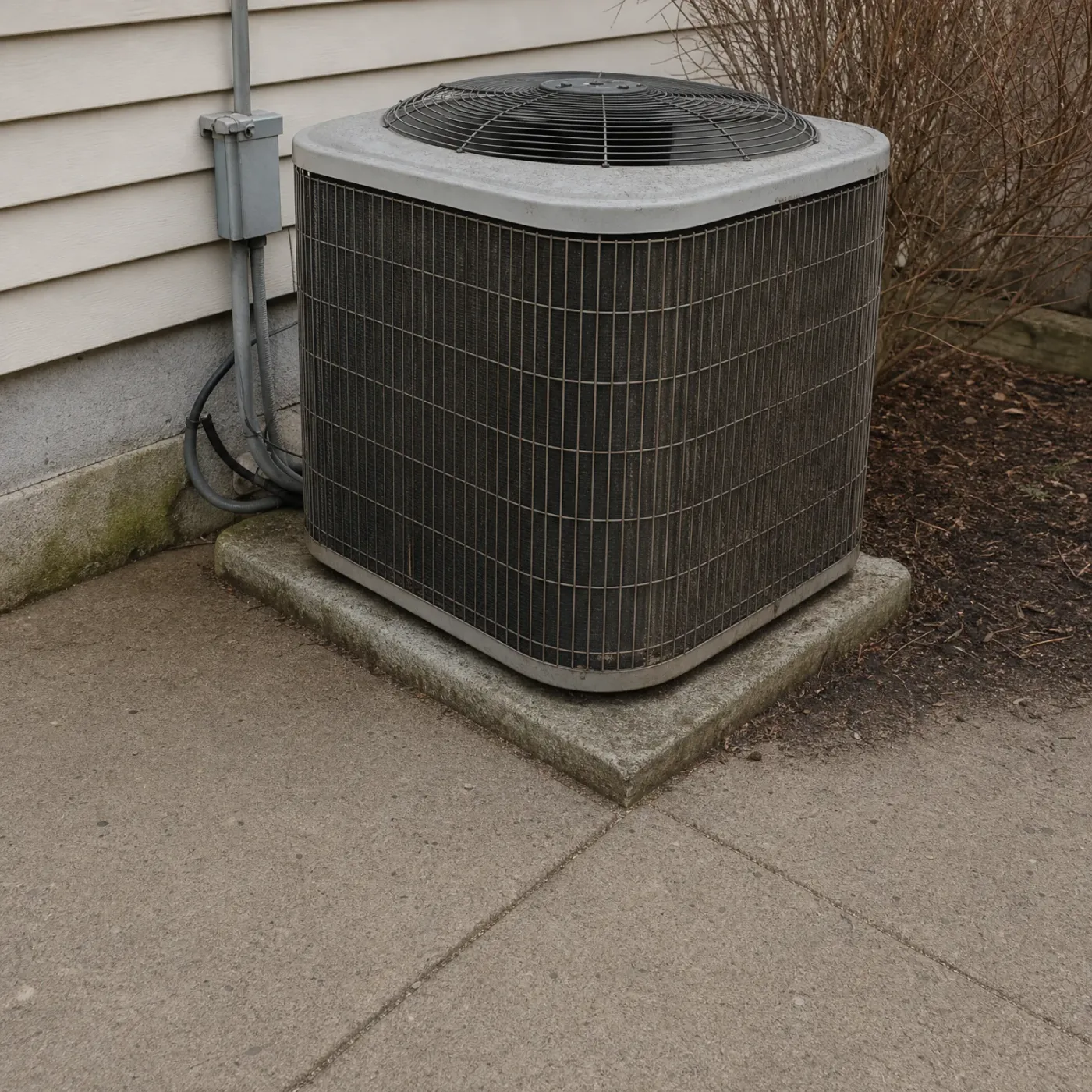
An outdoor air conditioning condenser unit on a concrete pad beside a house with light vinyl siding, an electrical disconnect box and conduit on the wall, bare shrubs and mulch to the right, and a concrete walkway in the foreground.

Working harder than it should

Same unit, same pad, but it's running longer to hit the same temperature. Nothing outside looks broken, which is why this stage gets missed. The bill is the only thing telling you the compressor is straining against a coil it can't shed heat through.


A woman in a cream knit sweater sits in an armchair with her eyes closed and a slight smile, beside an open window showing orange autumn foliage, with a mug, books and a lit candle on a small side table.
An older man with gray hair and a beard leans back on a beige sofa with his eyes closed, in a sunlit room with potted plants, a wicker chair and large windows behind him.

What this comes down to

  • A tune-up before the heat sets in keeps the coil clean and the refrigerant charge correct, so the compressor isn't working harder than it needs to.
  • Pennsylvania's humidity adds a second load beyond temperature, and a serviced unit handles both without running longer than it should.
  • A thermostat schedule and a serviced AC work together, neither one makes up for the other if the unit is already straining.
  • Skipping service doesn't break the AC right away, it just raises the electric bill at 19.29 cents per kilowatt-hour for every extra hour it runs.
  • Once you send the form, finding a contractor is off your plate and someone who services AC units in Pennsylvania will reach out to you.

The answer is the same one it was at the top of this page. Get the air conditioner serviced before the heat and humidity settle in for the summer, and the coil, the refrigerant charge, and the electrical parts stop being the reason your compressor runs longer than it has to. Everything else, the thermostat schedule, keeping vents clear, closing blinds against the afternoon sun, works alongside that, not instead of it. None of it fixes a dirty coil or a weak capacitor. A unit that's behind on service will keep running, keep cooling the house, and keep costing more every single month it's skipped, because Pennsylvania summers ask a lot of a system that's already straining.

None of that means you have to track down who does this work. Send the form and that search is done. A contractor who services AC units in your part of Pennsylvania gets your information and reaches out to you directly. You're not left comparing names or making calls to find out who's available. That part of it is off your hands the moment you submit it.

What's true either way: the unit that gets looked at before August runs less to do the same job as the one that doesn't. The bill reflects that difference whether you act on it now or later. The only question left is whether you want to deal with it before the heat is in full force or after.
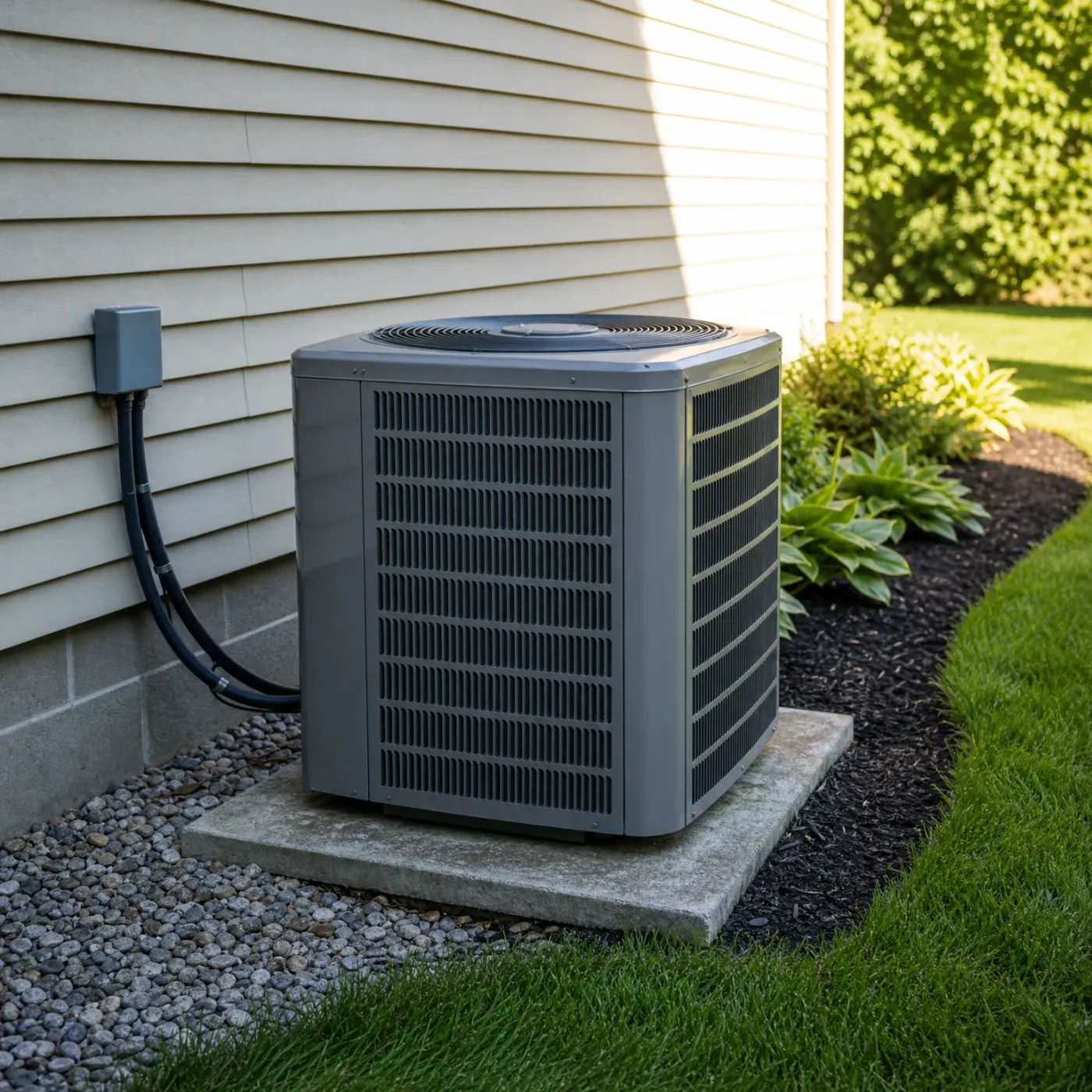
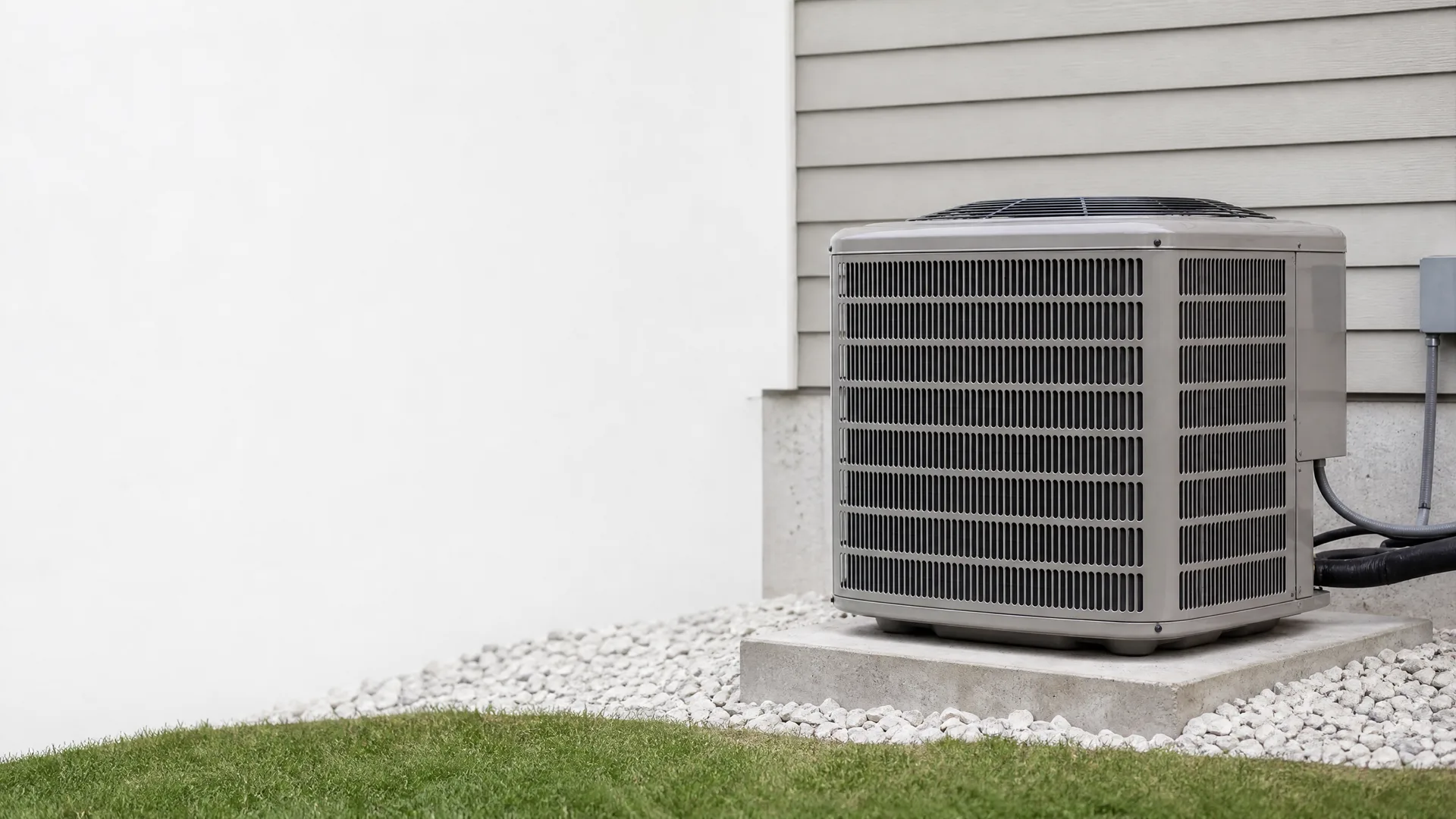
A gray outdoor air conditioning condenser unit on a concrete pad beside a house with light horizontal siding, with gravel, dark mulch, shrubs and lawn nearby and a conduit box on the wall.

A pro who works on air conditioners

Match me with a pro

One request and finding someone for the tune-up is handled.

Sending the form costs nothing.