Is a variable-speed AC worth it in Pennsylvania

Step 1 of 3: Equipment

For most Pennsylvania homes, yes. Summers here run humid from June through September, and a variable-speed AC adjusts its output instead of just switching between full blast and off. That matters in humid air, because a unit running at lower speed for longer stretches pulls more moisture out of the house than one that blasts cold air and shuts off. Your house ends up feeling drier and more even at the same thermostat setting. Since gas heats most homes here, the AC isn't paired with a furnace blower the way a heat pump system would be, so the benefit is mostly about comfort and humidity control rather than winter heating costs. Power rates in Pennsylvania run higher than in a lot of states, and a variable-speed compressor uses less electricity holding steady than a single-speed unit cycling on and off all afternoon. It costs more upfront than a standard unit. Whether that's worth it depends on how long you plan to stay in the house and how much the humidity bothers you now.

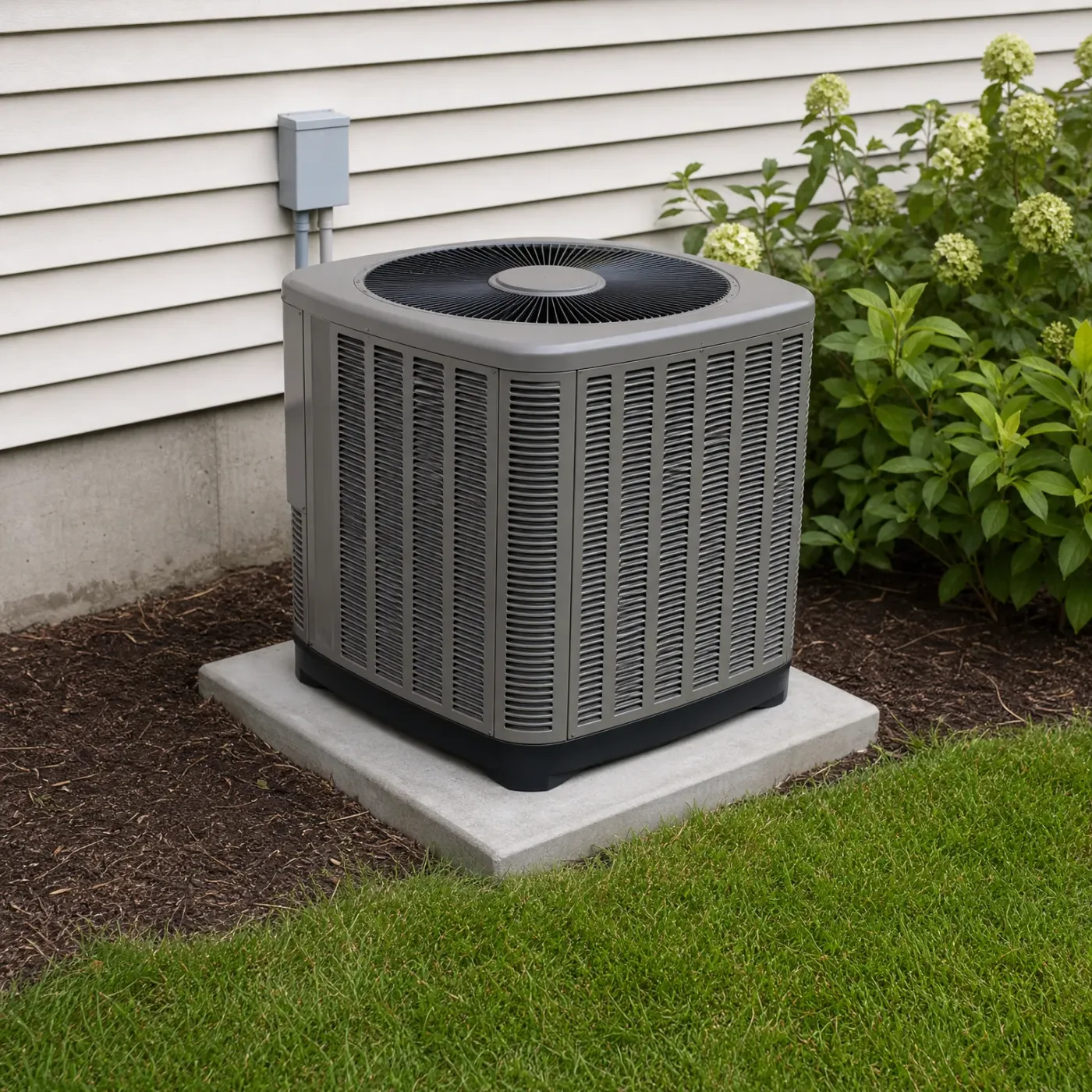
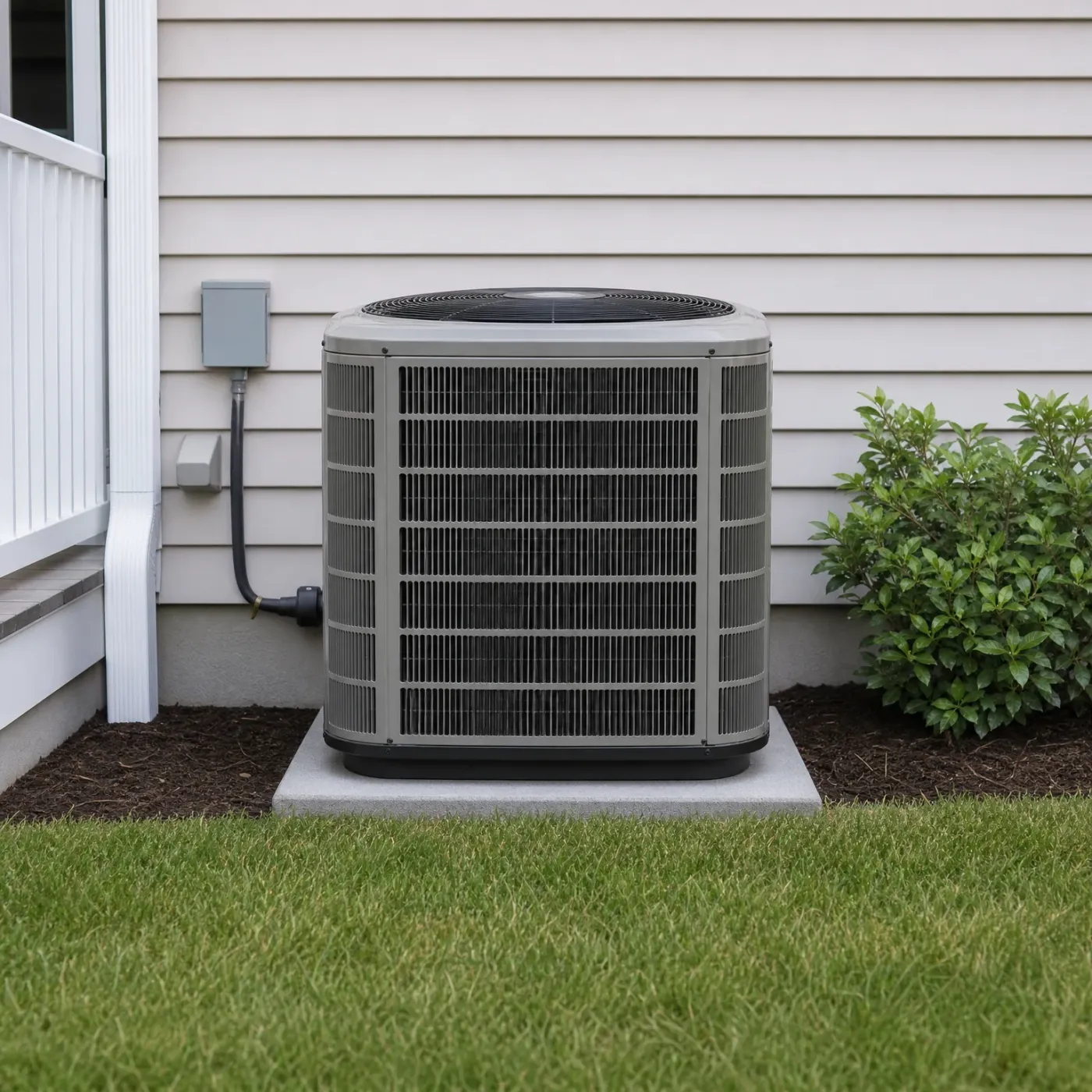
An outdoor air conditioning condenser unit on a concrete pad beside a house with horizontal lap siding, with a gray electrical disconnect box and conduit on the wall, mulch bed and shrub to the right, and mown grass in the foreground.

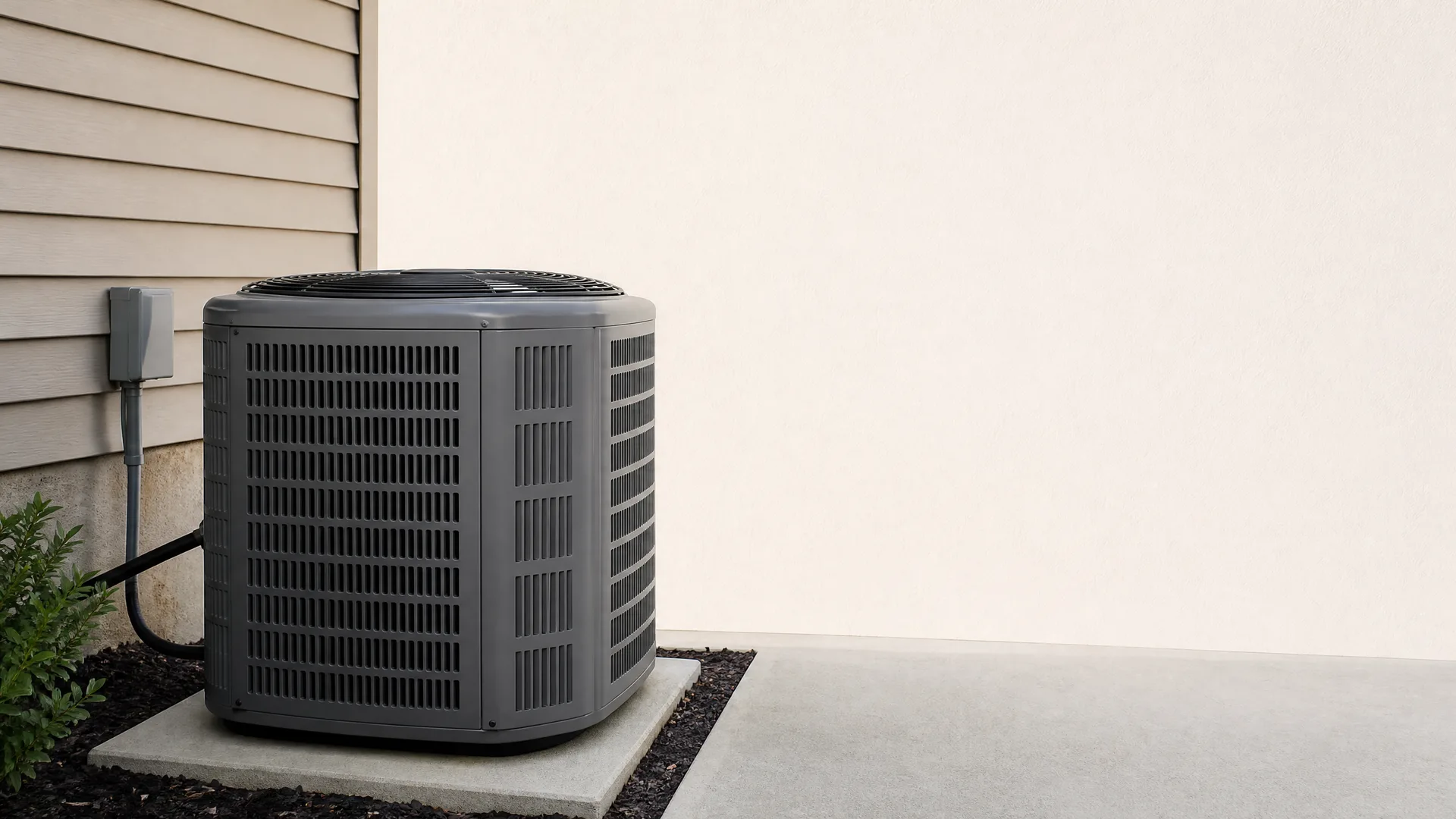
Single-speed, running steady

A single-speed unit like this one has two settings: on and off. It cools the house fast, shuts off, then starts again once the house warms up. That cycling is normal and it works, but it leaves humidity behind between cycles, which is why the house can still feel sticky even with the AC running.
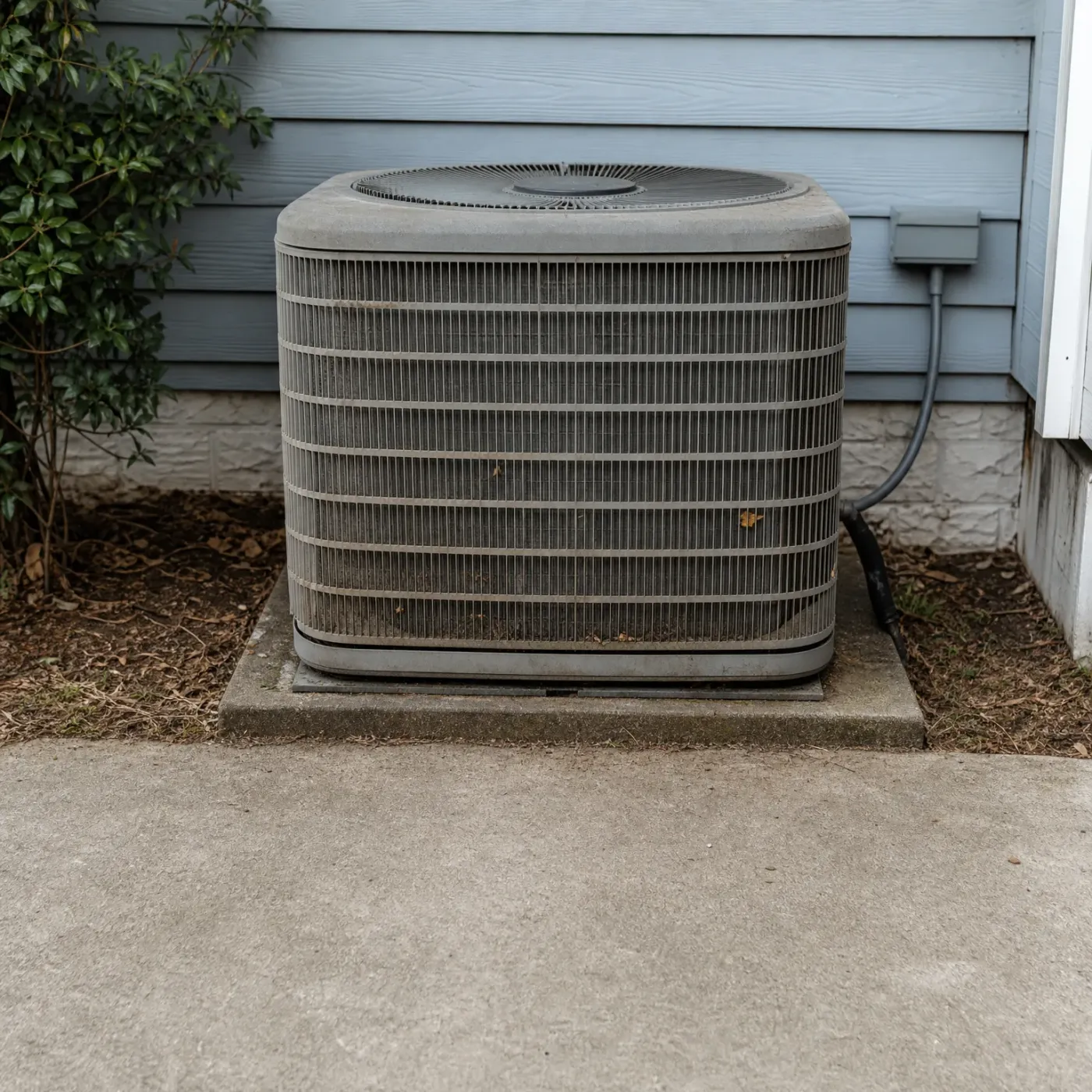
An outdoor air conditioning condenser unit on a concrete pad beside a house with light blue horizontal siding, with a shrub to the left and a conduit and disconnect box on the wall to the right.

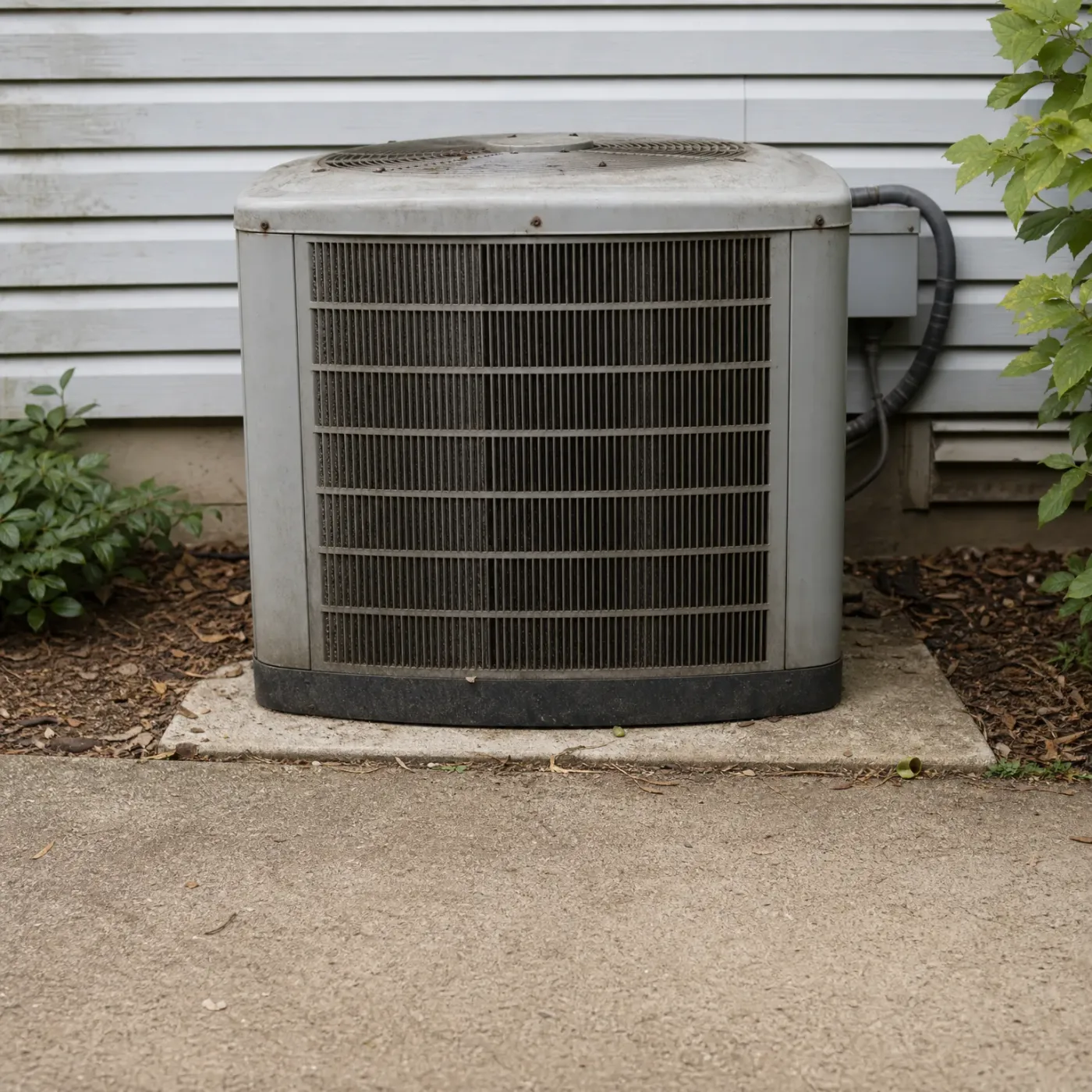
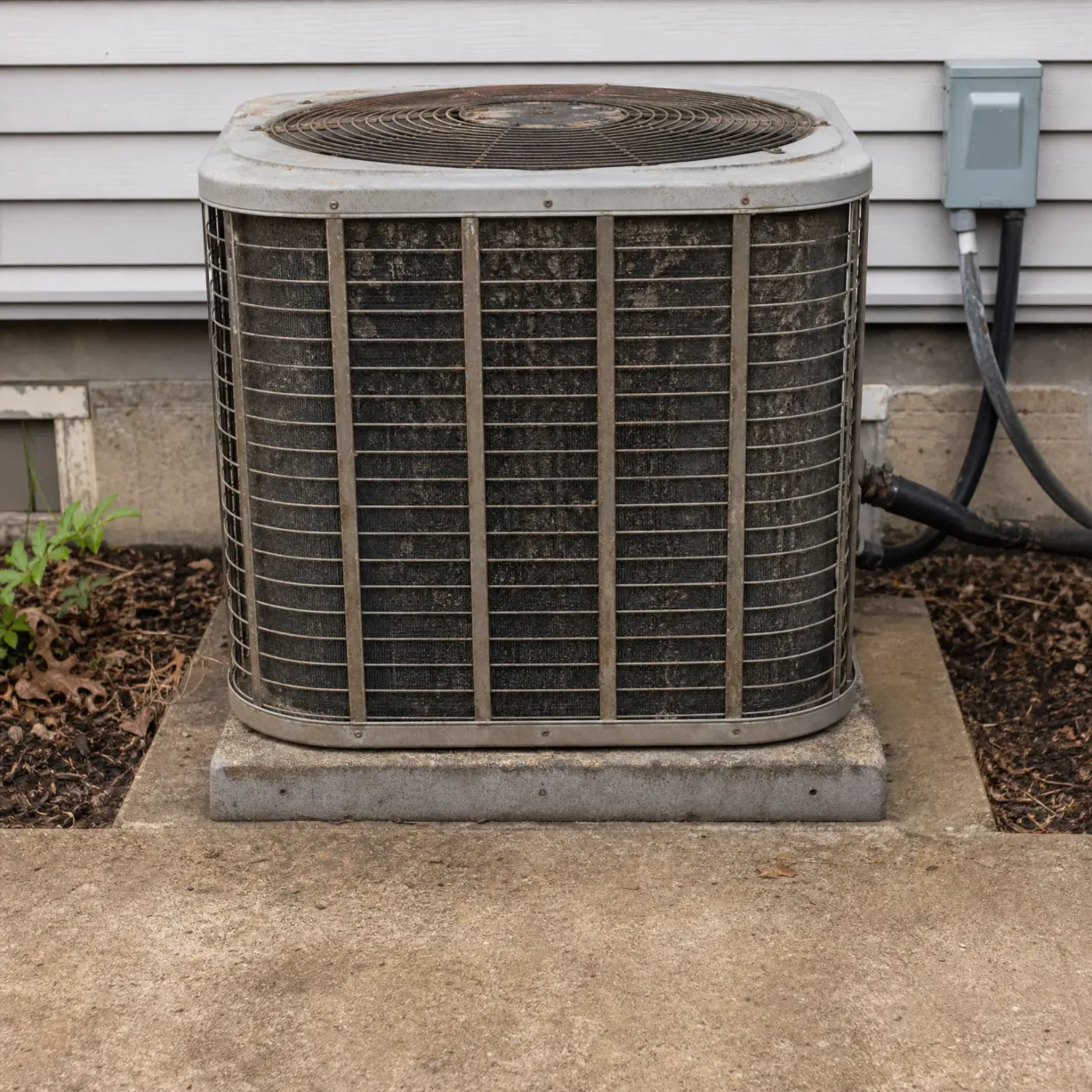
Neglected and struggling

A coil caked in dust like this one can't shed heat the way it should, so the unit runs longer to do the same job, whether it's single-speed or variable-speed. Pennsylvania summers push equipment hard enough without that extra load. A coil this dirty is worth having checked before the next hot stretch.

Variable-Speed vs. Single-Speed AC

Variable-speed

  • Costs more to install than a single-speed unit, since the compressor and controls are more complex.
  • Pulls less power at partial speed, which matters here given what electricity costs in Pennsylvania.
  • Runs long, low stretches that pull moisture out of the air instead of just cooling it fast and stopping.
  • Needs a contractor who installs and sets these up regularly, since the staging has to be configured for your house.
  • Parts and board repairs, if something fails, tend to cost more than a single-speed system's.
  • Pairs well with a gas furnace blower here, since most Pennsylvania homes already heat with gas and the indoor coil work overlaps.

Single-speed

  • Costs less upfront, and most contractors can install or repair one without special training.
  • Runs at full output every time it kicks on, then shuts off completely until the house warms up again.
  • Leaves humidity behind between cycles, which shows up as a sticky feel even after the thermostat's happy.
  • Uses more power per cycle, and that adds up across a humid Pennsylvania summer.
  • Has fewer electronic parts to fail, so repairs are usually simpler and more contractors stock the parts.
  • Works fine in homes that just need the temperature dropped fast and don't mind the humidity swings.
A gray outdoor air conditioner condenser unit on a concrete pad beside a house with horizontal siding and a light stucco wall, with a disconnect box and refrigerant lines on the wall and a shrub and mulch bed at left.

How the compressor actually scales

A single-speed compressor has one motor speed. A variable-speed compressor uses an inverter drive to run the motor anywhere from around 25 percent of capacity up to 100 percent, adjusting itself many times an hour as conditions change. On a mild afternoon it might hold at 40 percent output for hours rather than hitting full capacity and shutting off. That's the mechanical difference, and it's why the two units behave so differently inside your ductwork.

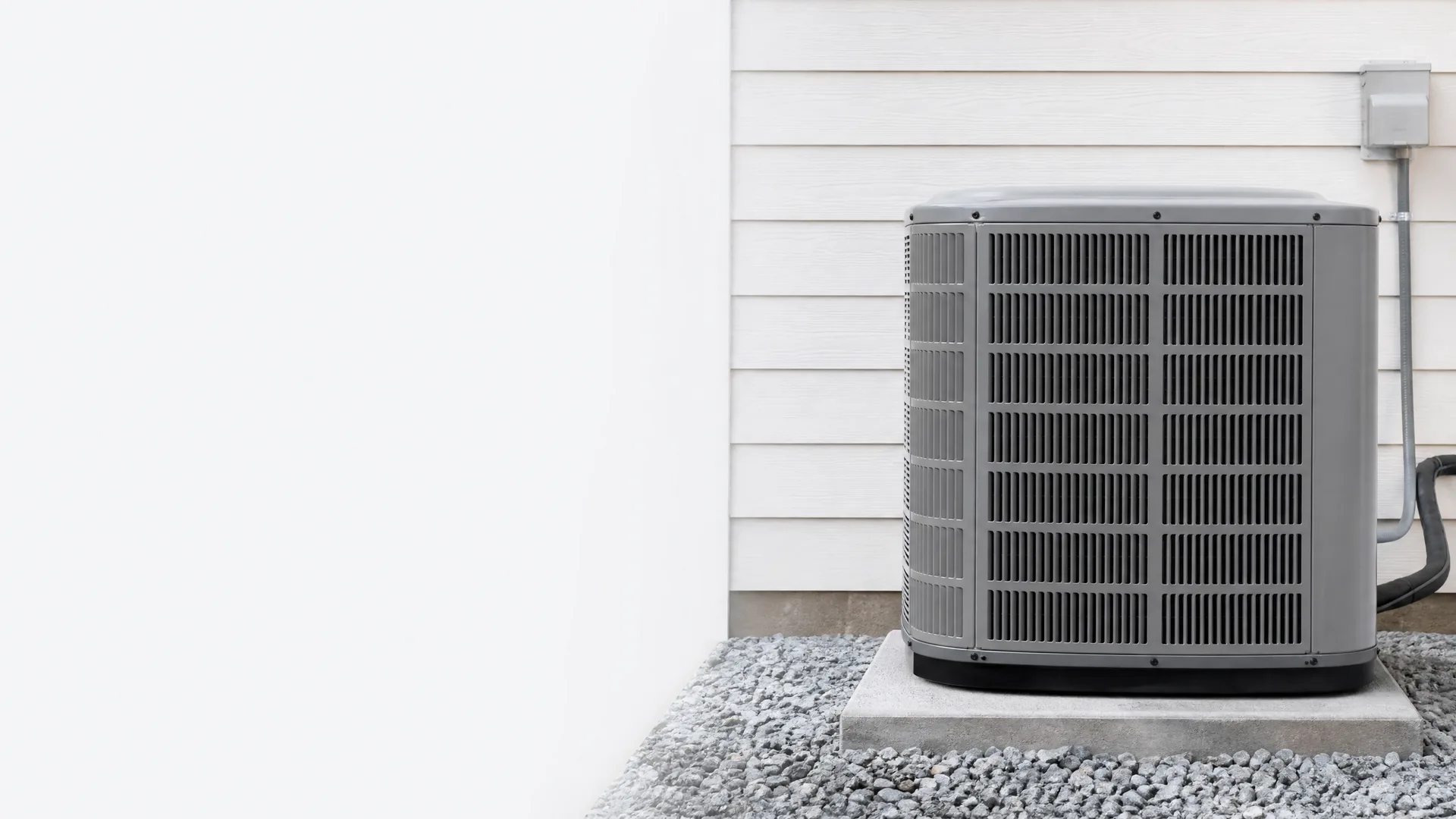
A gray outdoor air conditioning condenser unit on a concrete pad surrounded by gravel, next to a white horizontal-lap-sided house wall with an electrical box and conduit, against a blank white background on the left.

What that means for your ducts

Your ductwork was sized for whatever unit came with the house, and a variable-speed system still has to move air through that same ductwork. Lower, steadier airflow at partial speed puts less stress on duct joints and the blower motor than the full-blast cycling of a single-speed unit. If your ducts leak or run tight through a crawlspace, that gentler airflow pattern matters more than it would in a house with generous, well-sealed ducts.

Why does your house feel damp even when the AC is running

You've got the thermostat set where you want it, but the air still feels heavy. Floors feel sticky underfoot. Windows fog up on the inside. Towels in the bathroom take a day longer to dry than they should. That's humidity sitting in the house between cooling cycles, and it's what a single-speed unit tends to leave behind once it shuts off and waits for the next call for cooling. Left alone through a full Pennsylvania summer, that extra moisture gives mold and mildew a place to start, especially in closets, basements, and anywhere air doesn't move much. You might also notice musty smells showing up in rooms that never had them before.

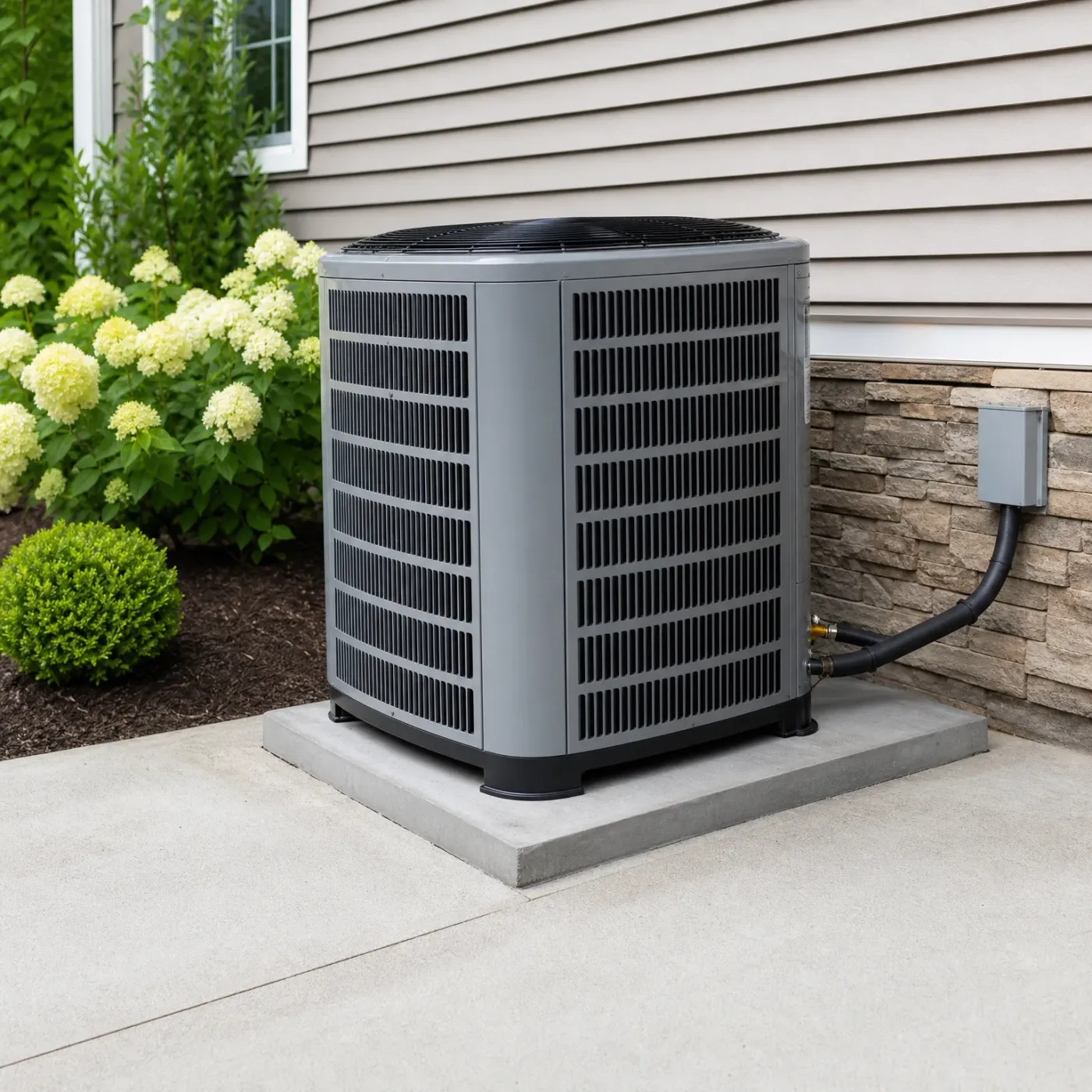
A gray outdoor air conditioning condenser unit on a concrete pad beside a house with horizontal siding and a stone veneer base, with refrigerant line and electrical disconnect box on the wall and flowering shrubs to the left.
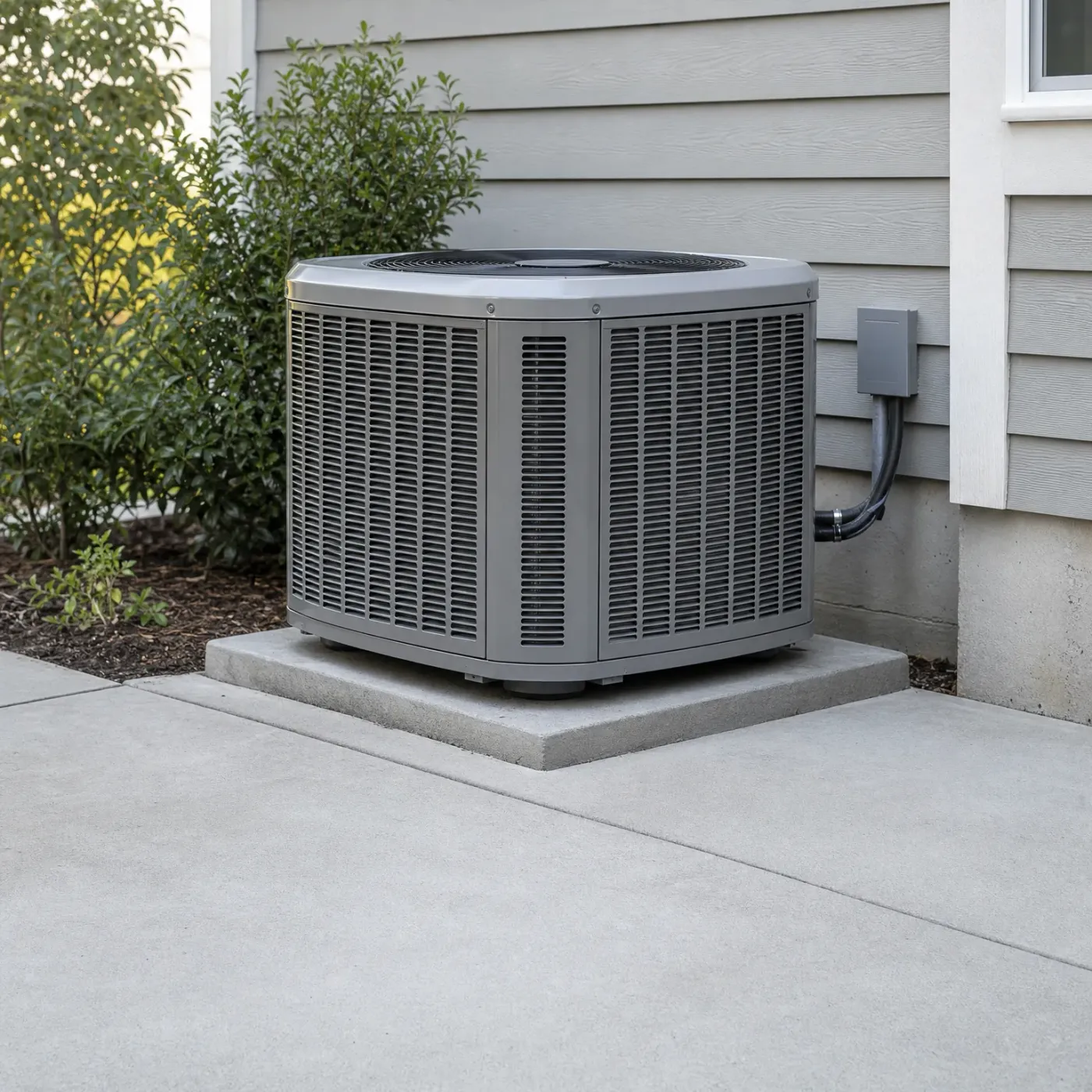
This condenser is running clean, and the lines going into the house are doing their job without strain.
An outdoor air conditioner condenser unit on a concrete pad beside a house with light gray horizontal siding, with mulch and green shrubs on either side and a concrete walkway in the foreground.
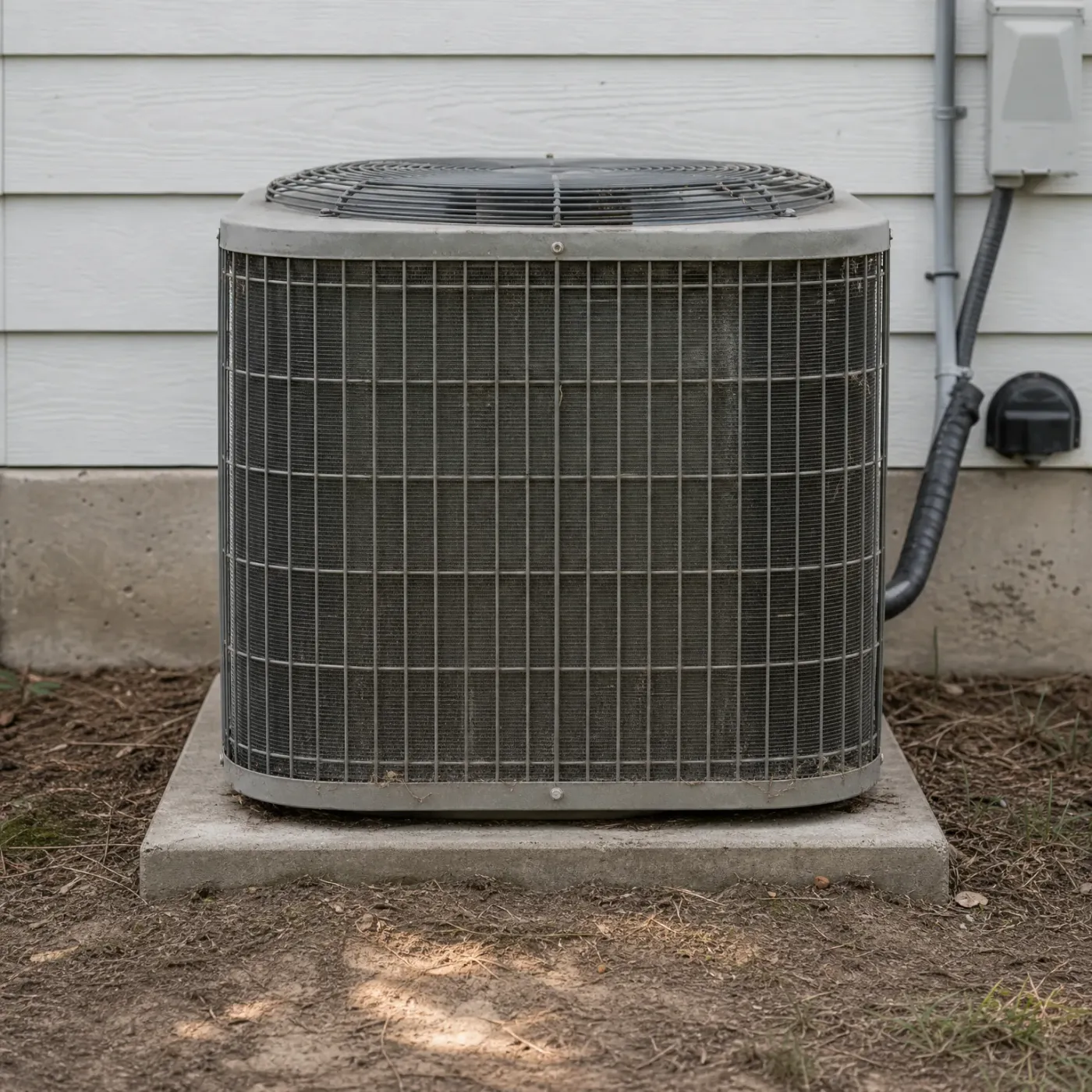
This one has sat caked in dirt and weather for years, and a unit working that hard to cool shows it.
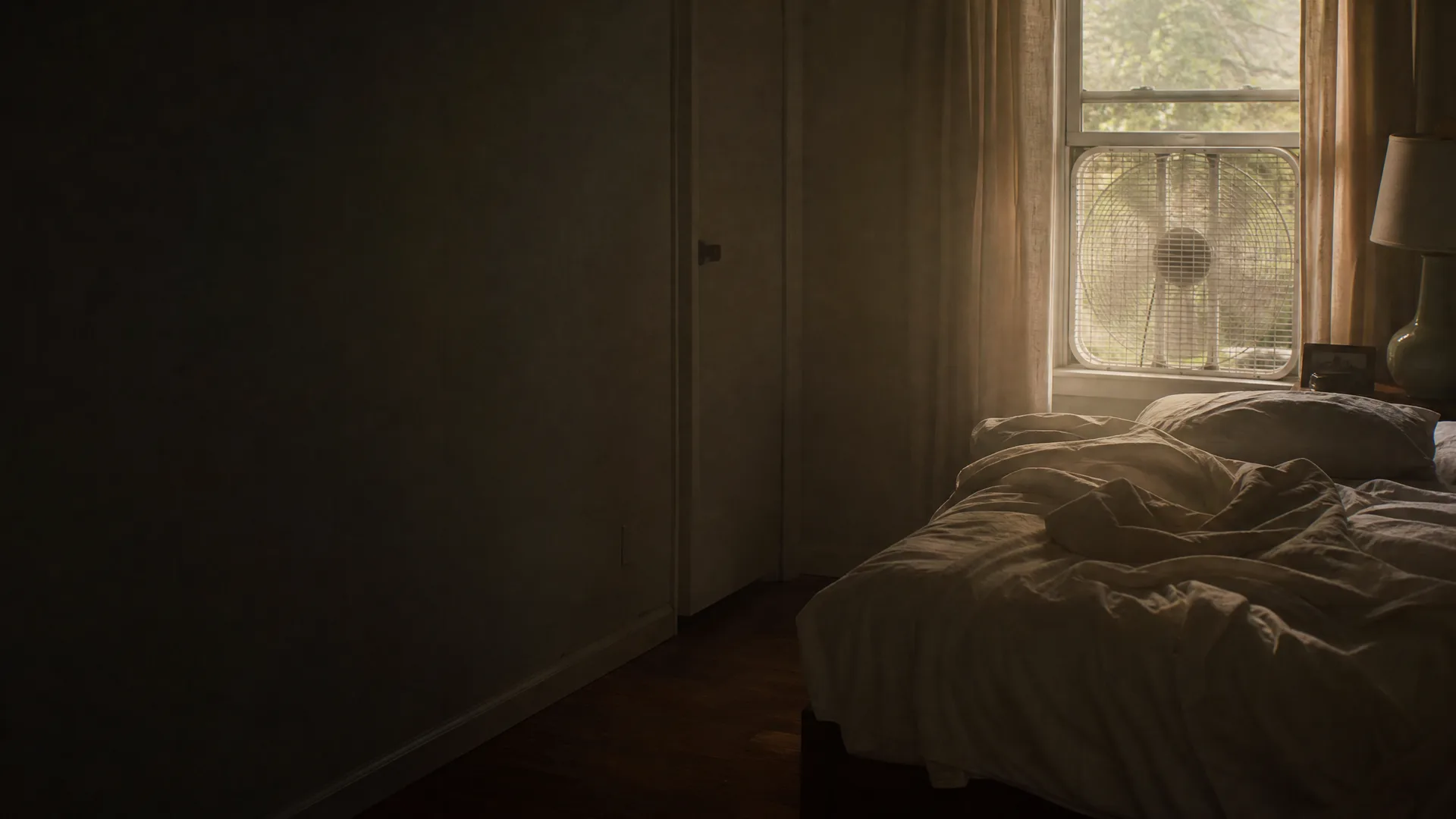
A dim bedroom with an unmade bed beside a window holding a box fan, with sheer curtains, a lamp at right and a large blank wall at left.

It's almost nine and still light out. You're upstairs and the room hasn't cooled off since dinner. The box fan in the window is just pushing the same warm air around, and the hum of it is the only sound in the house. Your shirt's sticking to your back and the sheets feel damp before you've even gotten into bed. Down the hall you can hear the AC running, it never seems to shut off anymore, and the house still feels heavy. You lie there doing the math on how many hours until the sun comes up and the room has a chance to cool.

Send one request and you're done looking

One installer gets your project, so there's no bidding war over it.

It costs nothing to send, and you don't have to hire anyone.

A gray outdoor air conditioner condenser unit on a concrete pad beside a house with horizontal vinyl siding, surrounded by mulch, flowering shrubs, and lawn.

Clean coil, steady airflow

This condenser sits clear of the siding with the fins open to the air. Grass and mulch around it haven't grown in against the cage. A unit that breathes like this moves the heat it's supposed to move, and the compressor inside isn't working harder than the job calls for.

A weathered outdoor air conditioning condenser unit on a concrete pad beside a house with light horizontal siding, an electrical disconnect box and conduit on the wall, and mulched soil on either side.

A coil fighting its own grime

Dirt and debris have built up across these fins to the point where air can barely pass through them. The conduit and disconnect are still doing their part, but the coil underneath that coating can't shed heat the way it was built to, and the compressor pays for it every time it runs.

How does a variable-speed AC know when to slow down?

You've seen how a single-speed unit cycles on and off, and how a variable-speed one runs longer at lower output. What's not obvious is what's actually telling the compressor to speed up or slow down in the first place, since nobody's standing there adjusting a dial.

A sensor reads the indoor temperature against the thermostat setting, many times an hour

The thermostat isn't just flipping a switch anymore. It's feeding the outdoor unit's control board a steady stream of readings on how close the house is to the set temperature. When the gap is wide, like after you've had the door open or the sun's been hitting the windows all afternoon, the board tells the inverter drive to ramp the compressor up toward 100 percent. As the house gets close to the setpoint, it pulls the compressor back down, sometimes to that 25 percent range, and holds it there instead of shutting off. That's the whole difference. A single-speed unit only knows on or off. This one is checking and adjusting the whole time it runs, which is also why it pulls moisture out of the air so much better.

A man with grey hair and stubble in a dark sweater sits on a grey sofa indoors, looking off to the side, with a potted plant and a sunlit window behind him.
A man with gray hair, a beard and glasses, wearing a dark green sweater, sits on a gray sofa in a sunlit living room with a potted plant, table lamp and wooden sideboard behind him.
A middle-aged man with graying hair and a short beard sits on a blue sofa in a living room, looking toward a window, with a bookshelf, lamp and framed picture in the background.
A man with graying curly hair and a dark green sweater sits on a gray sofa in a sunlit living room, looking off to the side, with a framed picture, shelving, an armchair and a window with sheer curtains behind him.

Power costs 19.29 cents per kilowatt-hour statewide

At just over 19 cents a kilowatt-hour, every hour your compressor runs at full power costs more here than in most states. A variable-speed unit spends most of its time at partial load instead of maxing out, so less of that rate gets charged against your house.

EIA-861 2025 statewide residential average

  1. The thermostat calls for cooling and signals the outdoor unit

  2. The inverter drive sets the compressor to a low speed first

  3. The compressor ramps up only if the house needs more cooling

  4. Indoor airflow adjusts to match whatever speed the compressor runs

An outdoor air conditioning condenser unit on a concrete pad beside a house with horizontal lap siding, with a conduit and electrical disconnect box on the wall at right.
Before you get your air conditioner installation
A gray outdoor air conditioner condenser unit on a concrete pad beside a house with horizontal lap siding, with a wall-mounted disconnect box and conduit to its right and shrubs to the left.
After you get your air conditioner installation
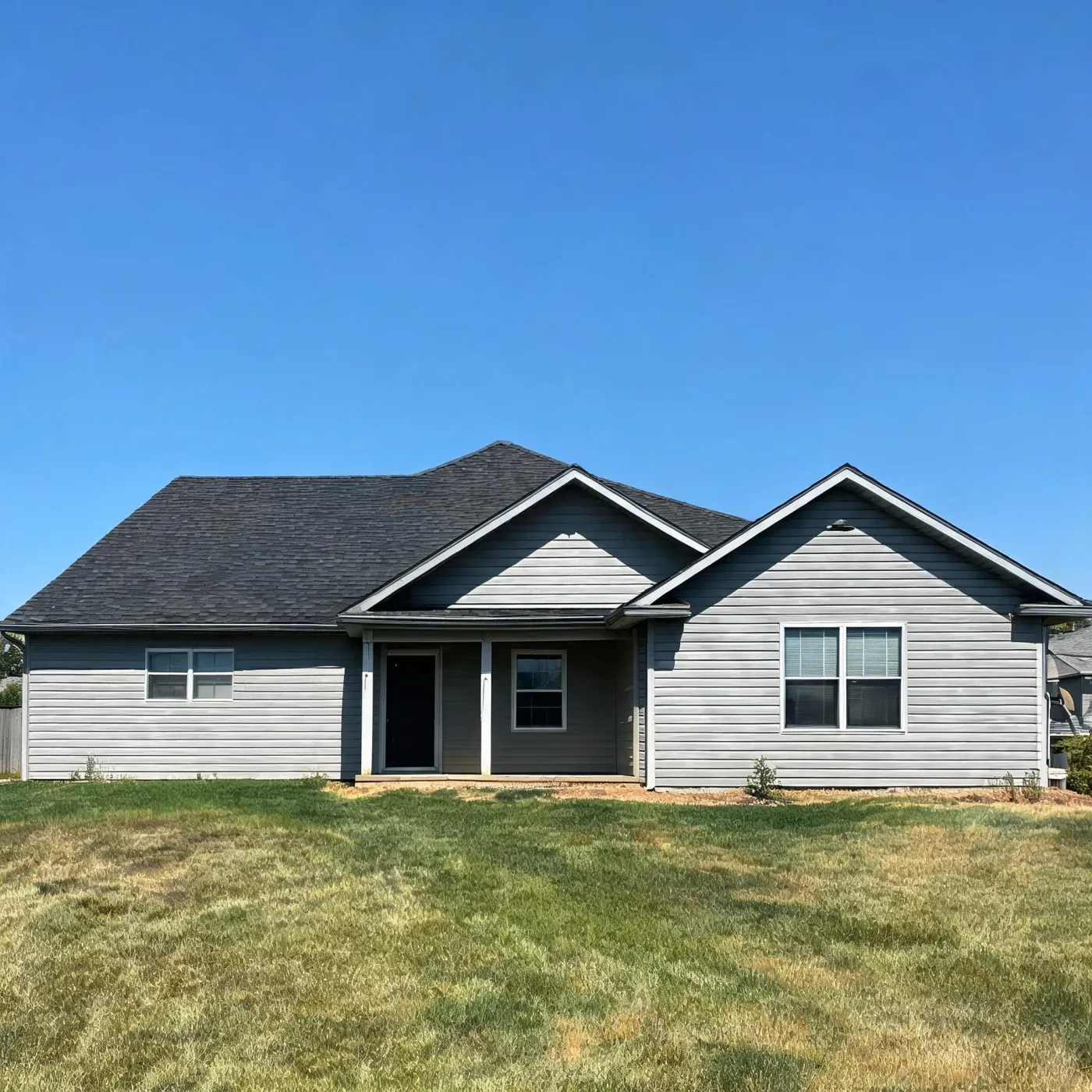
Single-story house with gray horizontal lap siding, dark shingled gable roof, a small covered front porch with a dark door, and windows, set behind a patchy green and brown lawn under a clear blue sky.

A summer dew point averaging 61°F across Pennsylvania, measured by NOAA, is the number that decides how your house feels, not the temperature on the thermostat. At that dew point, your air conditioner has real moisture to pull out of the air on top of the heat. A single-speed unit blasts cold air fast and shuts off, so it never runs long enough in one stretch to wring much water out of the house. A variable-speed unit stays on longer at a lower output, and that longer runtime is what actually dries the air. At 61°F dew point, that difference is what you'd feel walking in the door.

NASA POWER T2MDEW county cells weighted by homes

A woman with shoulder-length brown hair wearing a beige knit cardigan sits in a gray upholstered armchair near a window, looking off to the side with a slight smile, with bookshelves blurred in the background.
A woman with her hair in a bun holds a sleeping young child against her chest, both wrapped in a textured beige knit blanket on a sofa in a dimly lit room with a lamp, framed picture, and bookshelf behind them.

Where this leaves you

  • For most Pennsylvania homes dealing with humid summers, a variable-speed AC is worth the higher install cost.
  • The install matters as much as the equipment, since a variable-speed system has to be set up and charged correctly to run at partial speed.
  • A local contractor who services this equipment every summer knows which brands hold up and what tends to fail first in this climate.
  • Submitting your information connects you with one licensed, local contractor instead of a handful of companies competing for the job.
  • That contractor can look at your ductwork and your current system before recommending whether variable-speed makes sense for your house.

A variable-speed air conditioner earns its keep in Pennsylvania because of what the air does here from June through September, not because it's newer or pricier. It runs longer at lower output, pulls more water out of the air over those long stretches, and costs less to run at partial load than a single-speed unit costs at full blast. None of that happens on its own. The compressor, the controls, and the charge all have to be set up to match the house they're cooling, and a system installed wrong will cycle and strain no matter how good the equipment is on paper.

That's the part that depends on who does the work. A contractor who installs and services this equipment through Pennsylvania summers has already seen which brands hold up under the humidity and which parts tend to give out first, because that's what their calls look like every July and August. Submitting your information puts you in touch with one contractor like that, licensed and local, rather than a stack of companies bidding for the job and calling you one after another.

Before anything gets recommended, that contractor can look at your ductwork and the system you have now. Some houses are set up for variable-speed and some aren't, and the honest answer depends on what's already in your walls, not on a general rule. That's a conversation worth having before you decide, not after.

Kitchen corner with cream upper cabinets, oak lower cabinets, white marble-look countertop, beige tile backsplash, a ceramic vase of greenery, a wooden cutting board and bowl, and a black-framed window at right.
Interior corner of a room with a white-framed window and wide sill, beige walls with panel molding, a wooden cabinet holding a ceramic vase with a green leafy plant, and blurred shrubs and trees outside.
A wood-framed armchair with beige cushions and a woven lumbar pillow sits in a corner beside a large window overlooking green trees, with a tall ceramic vase holding leafy branches on the left and plaster walls and wood flooring.
Interior corner with a white-framed window above a sill, beige walls with baseboard molding, a greige shaker-style cabinet with brass knobs and a potted plant on top, light wood flooring and a woven jute rug.
A dark-framed six-pane window with white trim and sill set in gray horizontal lap siding, with hydrangea shrubs below and a white column and shingled roof section at left.

Finding a pro stops being your job

Your request goes to one pro, not a list of companies.

Send my request

No charge to send it. You decide if you hire them.