

Starting fine, for now
The fan spins up, the compressor kicks in, and cold air follows within a minute. A capacitor in good shape sends full power to both on the first try. No hesitation, no hum before it catches.
Send the request today and stop worrying about who to call.
Let a pro reach outA bad AC capacitor usually shows up as the outdoor unit humming but not starting, or the fan running while the air stays warm. You might hear a clicking sound as the system tries and fails to kick on, or notice it shutting off on its own after a few minutes. The capacitor stores the charge that gets the compressor and fan motor moving, and once it weakens, the motor struggles to start or can't start at all. Pennsylvania summers put real strain on that part, since the unit has to run hard and often through the sticky stretch from June into September, and heat is what wears a capacitor down faster. If your AC is straining to start or cutting out on hot afternoons, the capacitor is one of the first things worth checking before the compressor itself takes the damage.
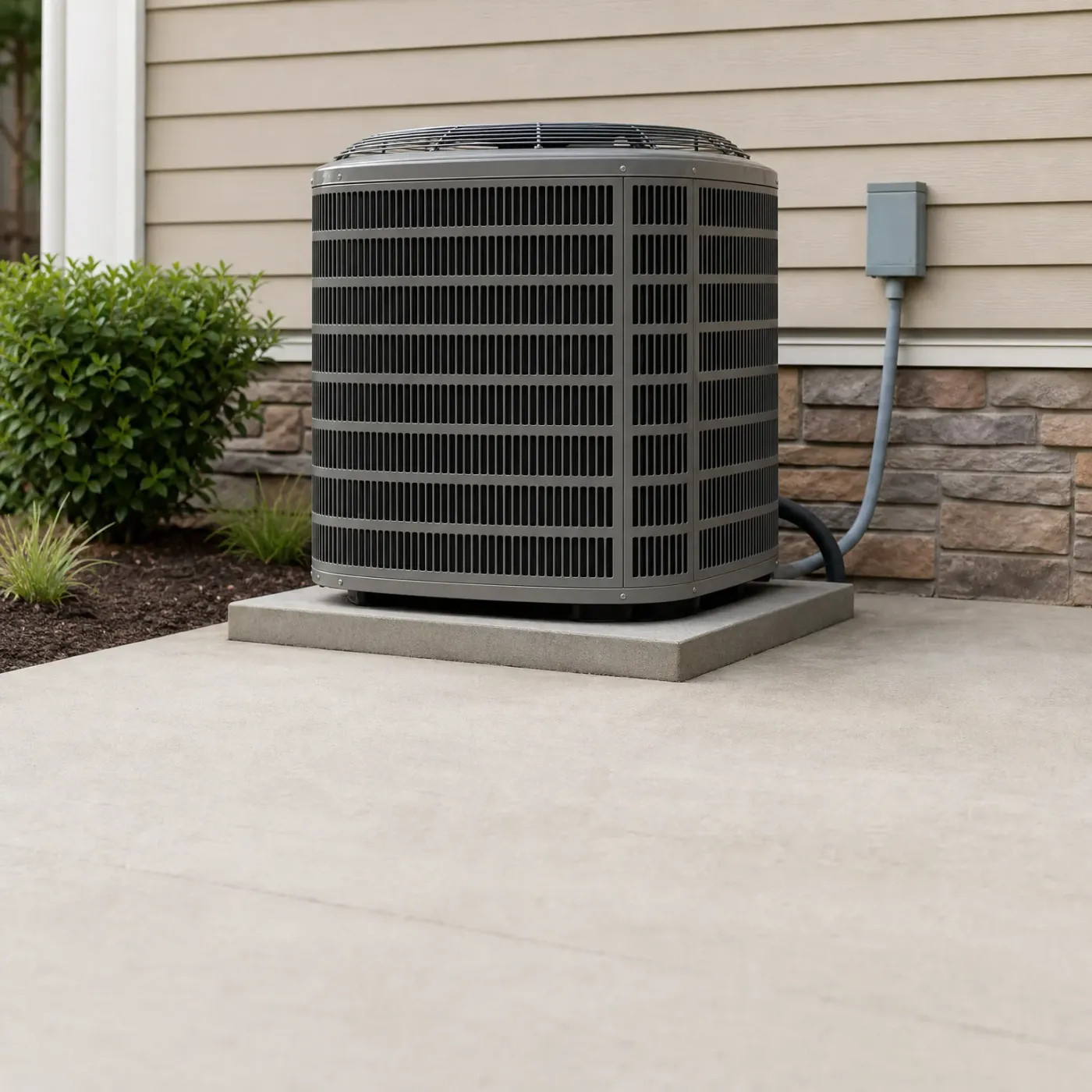
The fan spins up, the compressor kicks in, and cold air follows within a minute. A capacitor in good shape sends full power to both on the first try. No hesitation, no hum before it catches.
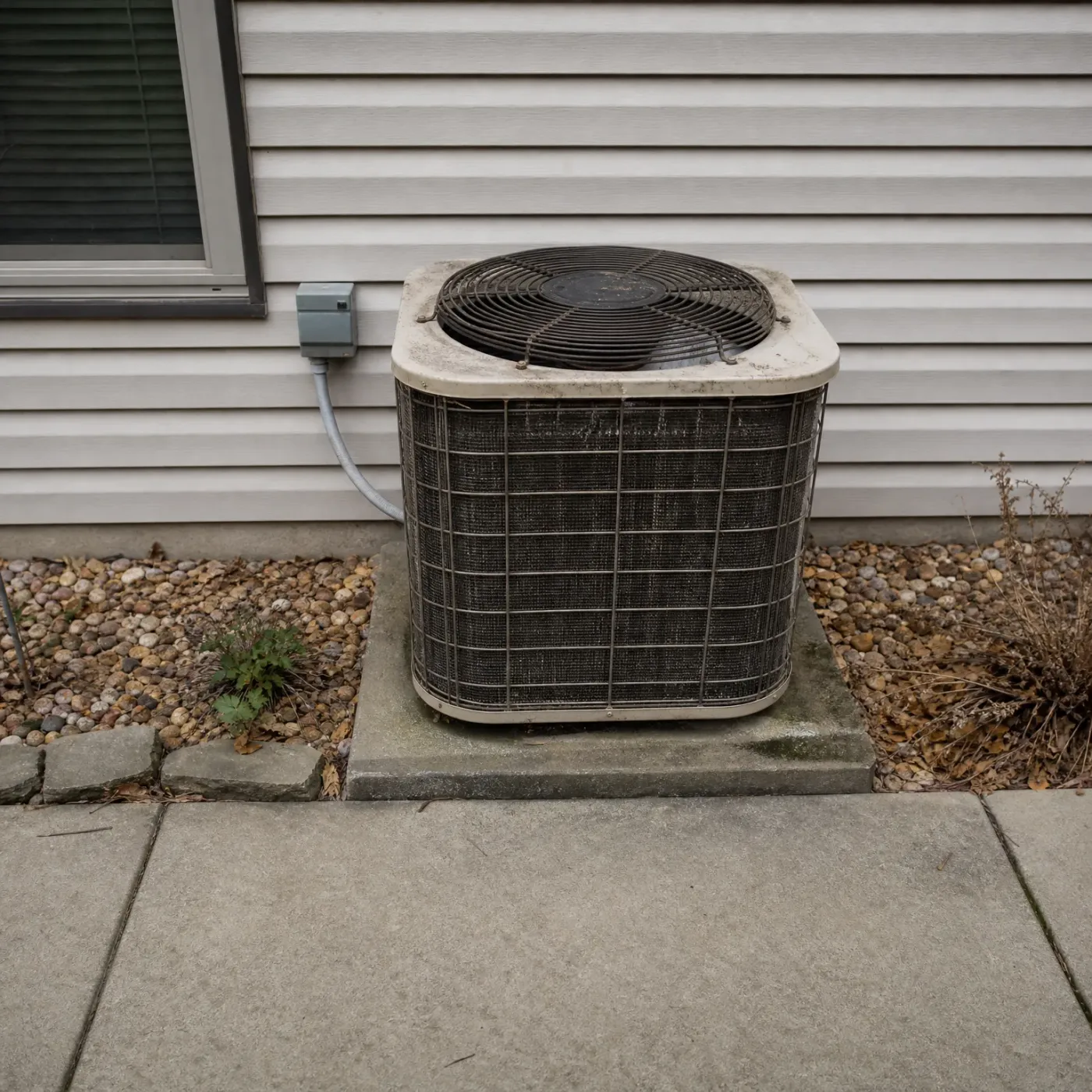
This one sits against the siding working harder than it should, humming a beat before anything turns, or not turning at all. A weak capacitor still delivers partial power, so the unit strains instead of starting clean. Left alone, that strain reaches the compressor.




The compressor and fan motor need a hard push to get moving, and that push comes from the capacitor letting go of its stored charge all at once. After that, the motor needs a lot less, just small steady jolts to keep it spinning at the right speed, and the capacitor keeps supplying those too. Heat breaks this part down over time, and an outdoor unit sitting in a Pennsylvania summer is taking that heat all day long. That's why a capacitor can lose strength gradually instead of quitting outright. It might still get the unit started on a cool morning and then fail once the afternoon sun has had a few hours to work on the cabinet. A swollen top on the capacitor is a sign it's already gone inside, even if the unit is still limping along for now. If you hear the outdoor unit humming without the fan or compressor actually turning, that's the motor getting some power but not the jolt it needs to start.
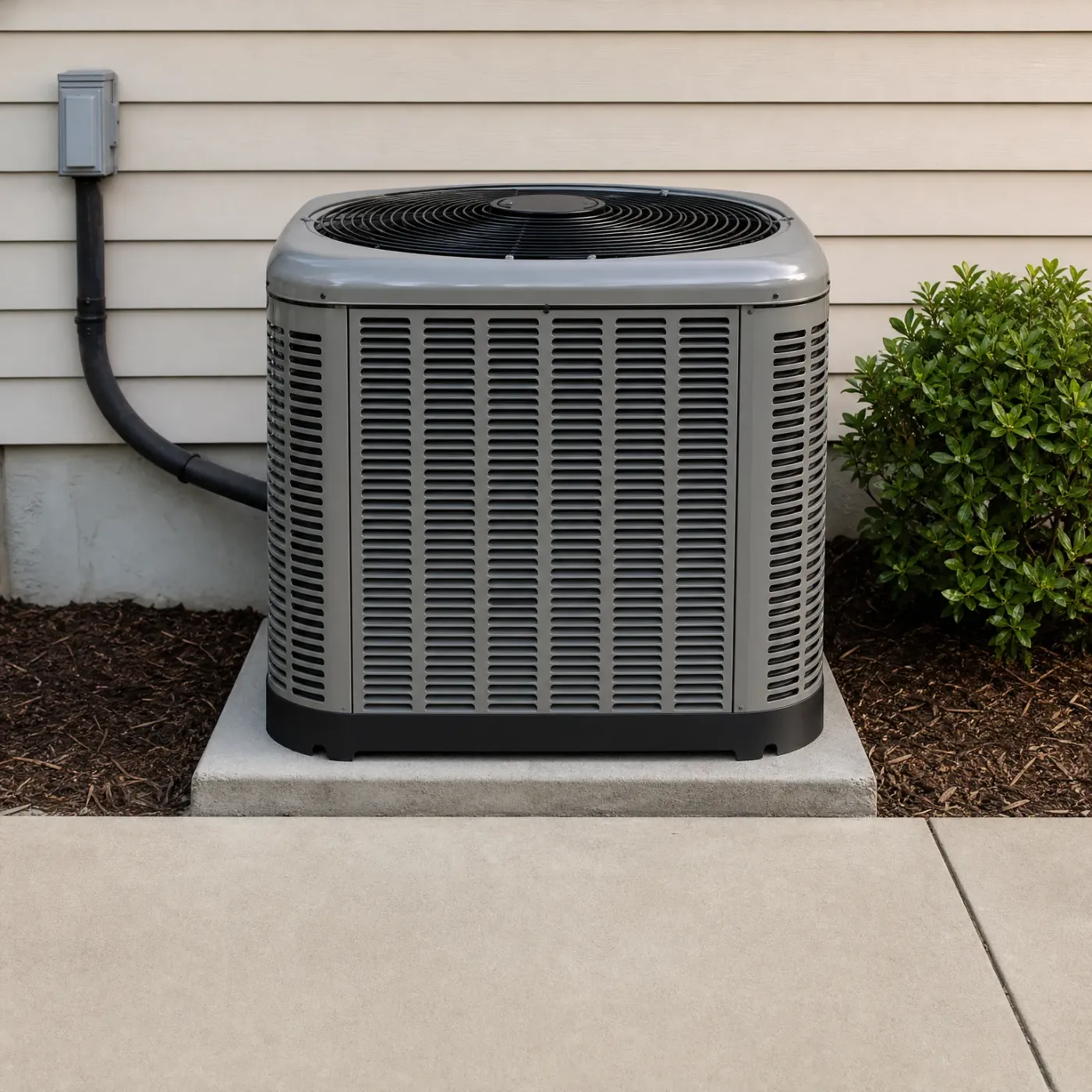
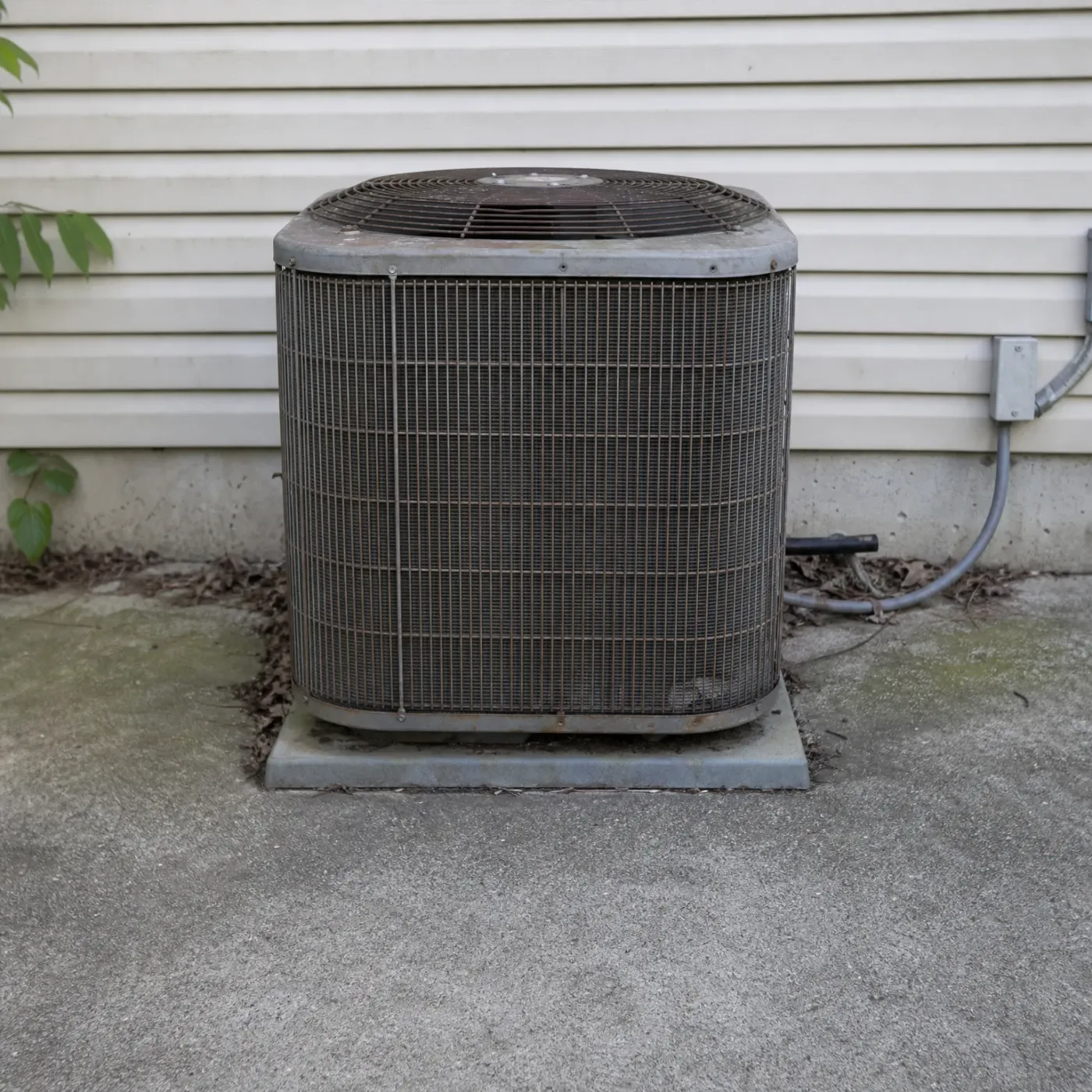
Humidity and heat load the compressor all summer long.
Heat inside the unit breaks down the capacitor's charge over time.
A weakening capacitor sends a shorter, weaker burst on startup.
The compressor hesitates, so you hear the outdoor unit hum.

A capacitor that's starting to go doesn't fail all at once. It struggles for a few days or a few weeks first, and every one of those struggling starts pulls more current than a clean start would. Your electric bill moves before the system quits outright. Once it does quit, Pennsylvania humidity fills the house fast, and a home that sits warm and damp for a stretch is more hospitable to mold on top of just being miserable to live in.
Finding out who's actually available to come look at it is its own chore: searching, calling a few numbers, explaining the hum and the clicking sound again to each one, then sorting through who quoted what. Sending one form hands that part off. You're not fixing the capacitor yourself either way, but you stop being the one who has to track down who can.

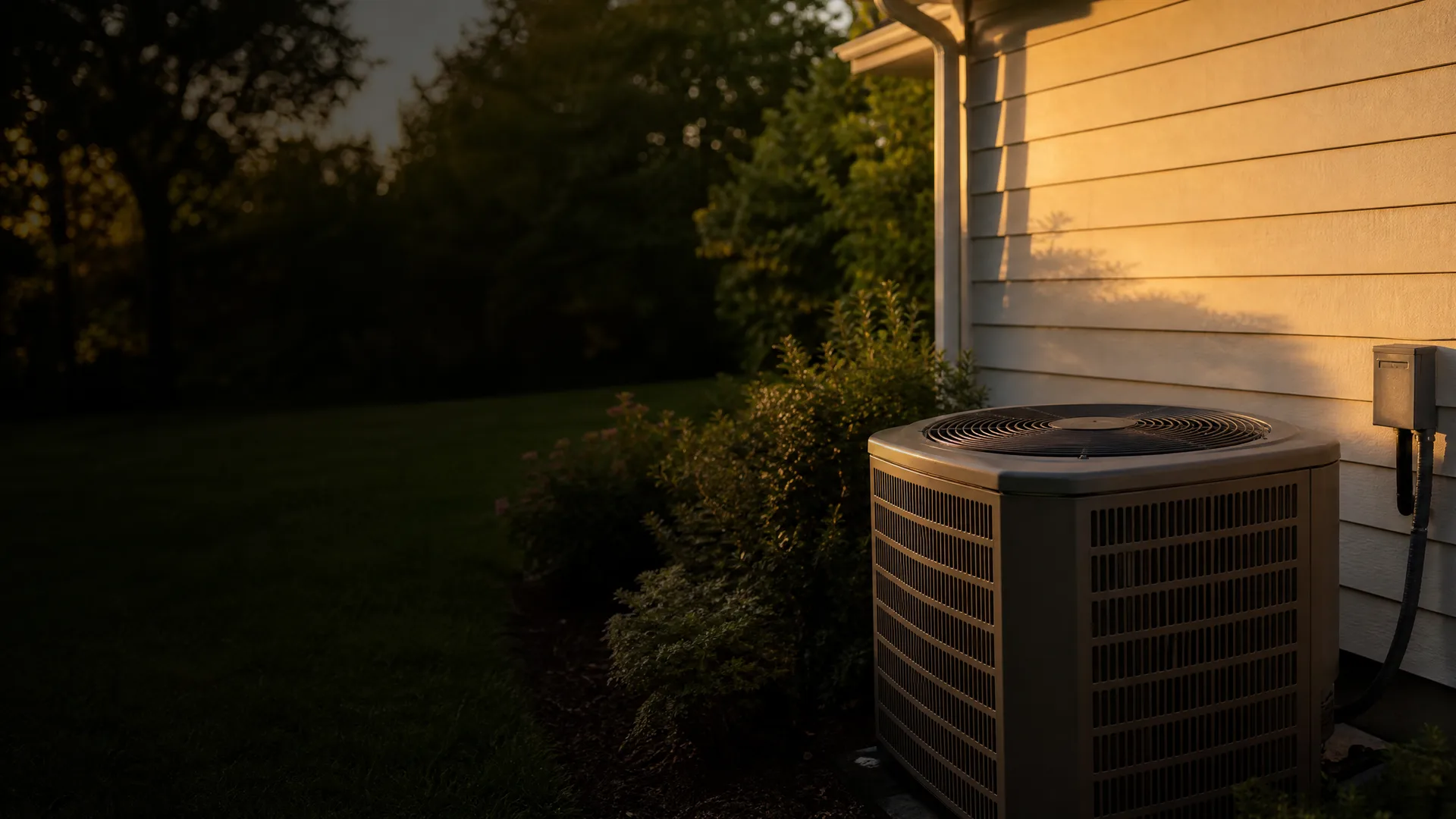
You're out back around seven, the light going orange over the yard, and you notice it's quiet where it shouldn't be. The condenser isn't running. No fan turning, no hum, nothing. Inside, the air's already started to feel thick again, the way it does in a Pennsylvania August within twenty minutes of the AC giving up. You walk over and touch the side of the unit. Warm, not hot, like it tried a minute ago and stopped. You go back in, pull out your phone, and send the form in. Somebody else can take it from here.
A hesitating capacitor doesn't wait for a convenient week. It usually goes in the middle of a stretch when Pennsylvania humidity is already pressing on every room in the house, and the unit outside is working harder because of it. Once you've heard that hum without a start, or felt warm air coming through the vents, the question stops being whether to fix it and becomes how fast you can get someone out to look at it. Normally that means calling a few contractors, waiting on callbacks, describing the hum and the warm air each time, then weighing quotes against each other while the house stays uncomfortable. Sending this form instead means you do that once. One contractor gets your information and the rest of the sorting, the comparing, the repeat explaining, isn't yours to do anymore. The hum is still there until someone looks at it, but finding that someone stops being something you have to manage on top of everything else.
A capacitor under strain can still start the compressor on a cool morning and fail to on a ninety-degree afternoon. The hotter the air around the unit, the more resistance the motor has to push through, and the harder the capacitor has to work to deliver that first jolt. A unit that ran fine in May can start failing by August without anything else about it changing. That's why the first real signs often show up during the stretch when a Pennsylvania summer is at its worst, not at the start of it.
A capacitor doesn't usually go from weak to dead in one step. It keeps limping along, forcing the compressor to draw more current on every hard start. That extra draw is what burns out a compressor motor that would otherwise have lasted years longer. Replacing a capacitor is a small job. Replacing a compressor it took down with it is not. The gap between those two repairs is the real reason a hum or a slow start is worth paying attention to instead of waiting to see if it clears up on its own.



A summer dew point averaging 61°F, per NOAA climate data, means the air sitting around your outdoor unit stays thick most of June, July and August. Your capacitor isn't just starting a motor on those days, it's starting a motor that has to push through heavier, stickier air to move the same amount of heat out of the house. That extra resistance is exactly what pushes a weakening capacitor past the point it can handle. It's why the hum, the delayed start, or the unit shutting off on its own tends to show up on the muggiest afternoons first, not the mild ones.
NASA POWER T2MDEW county cells weighted by homes
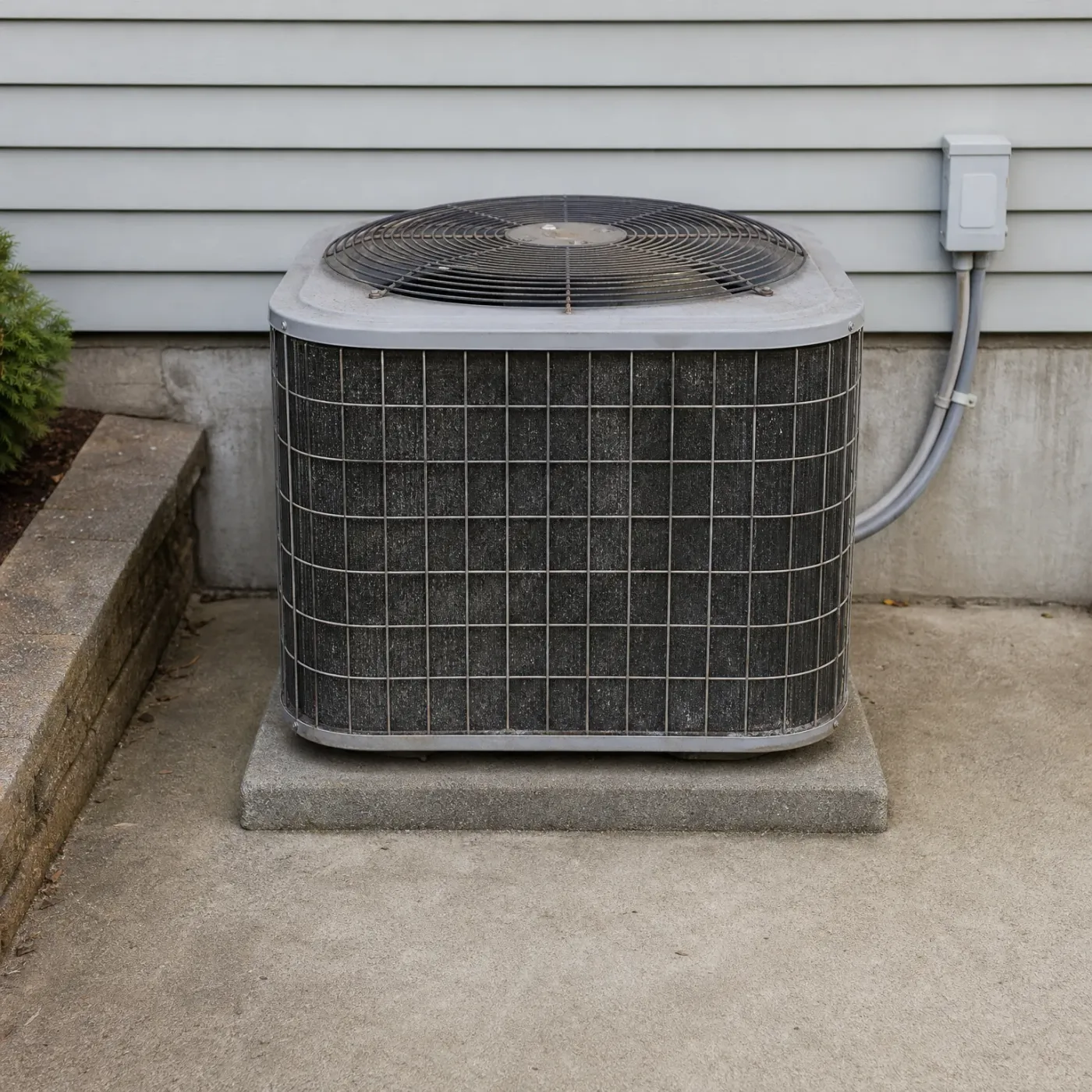
You keep running it and hope it holds through August. Every hot afternoon it starts a little slower, and you don't know if tonight's the night it just hums instead.
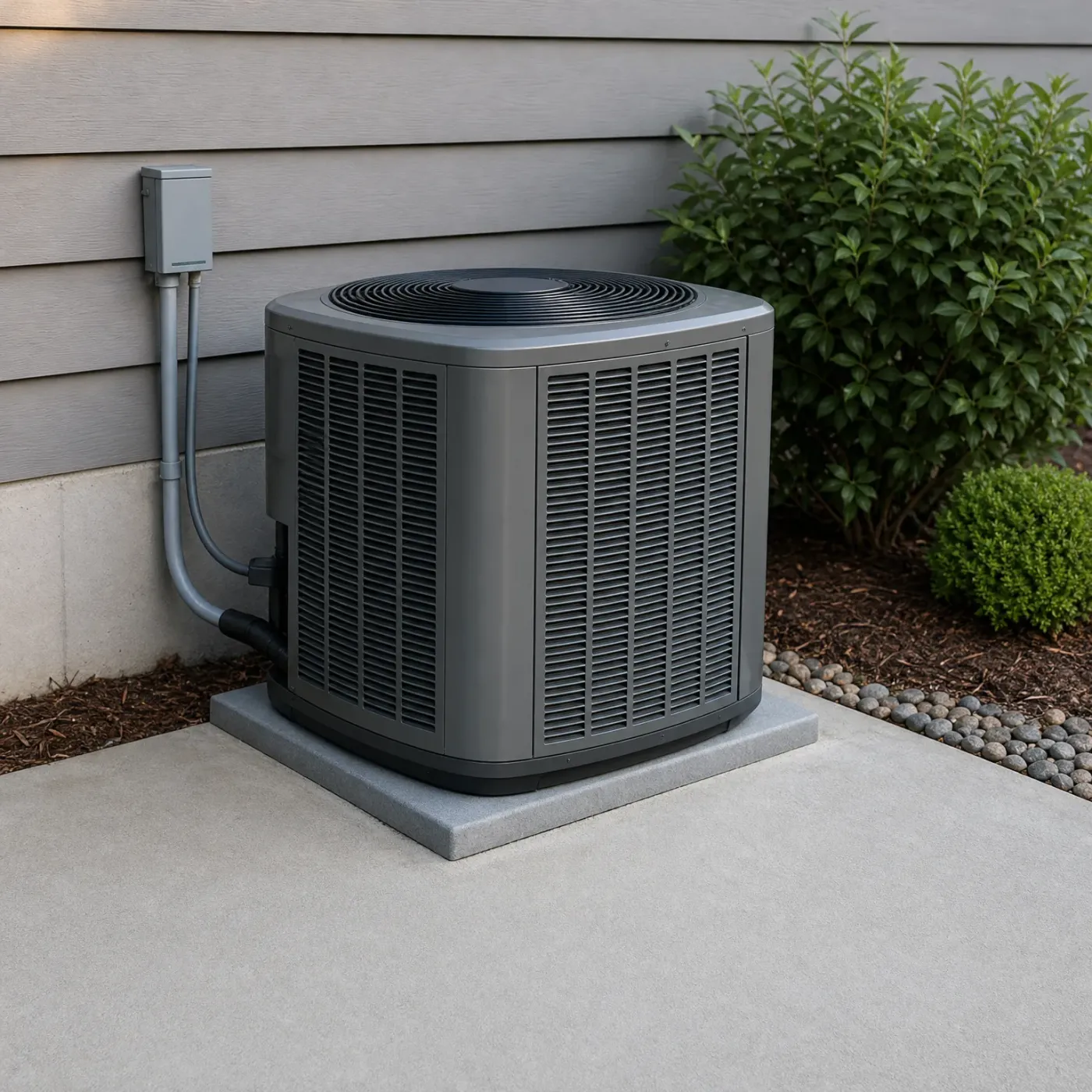
A repair tells you which part failed and replaces it, so you're not listening for that hum anymore. The next ninety-degree day is just a ninety-degree day.
At 19.29 cents per kilowatt-hour, every extra second your compressor spends straining against a weak capacitor shows up on your bill. A unit that hums, stalls, then restarts itself draws more power getting going than one that starts clean the first time.
EIA-861 2025 statewide residential average
A hum with no start, a fan spinning over warm air, a system that shuts off minutes after it kicks on. These are what a capacitor looks like on its way out, not a fluke in the system. None of it comes out of nowhere. The part has been sending a weaker burst on every hot afternoon for days or weeks, and each of those hard starts pulled more current than a clean one would. Pennsylvania summers push that failure along faster than mild weather would, because the heat and humidity the compressor fights against are exactly what strains a capacitor that's already going. That's why this shows up in July and not March.
Once you've caught the signs, there's nothing left to watch for. What's left is getting the part replaced, and that means finding a licensed contractor, which usually means searching, calling a few numbers, describing the hum and the warm air again to each one, then weighing quotes that don't quite line up. Sending the form here skips that part. You're not the one tracking down who's available or repeating the same description of what the unit's doing. That piece of it is off your list, and what's left is a straightforward repair on a part that either works or doesn't. You already know what a bad capacitor sounds like in your own backyard. The rest is getting someone there to replace it before the next hot afternoon finds it again.
Let someone else find the pro